What is a Bakelite Rod? A Complete Guide to Phenolic Rods and Their Applications
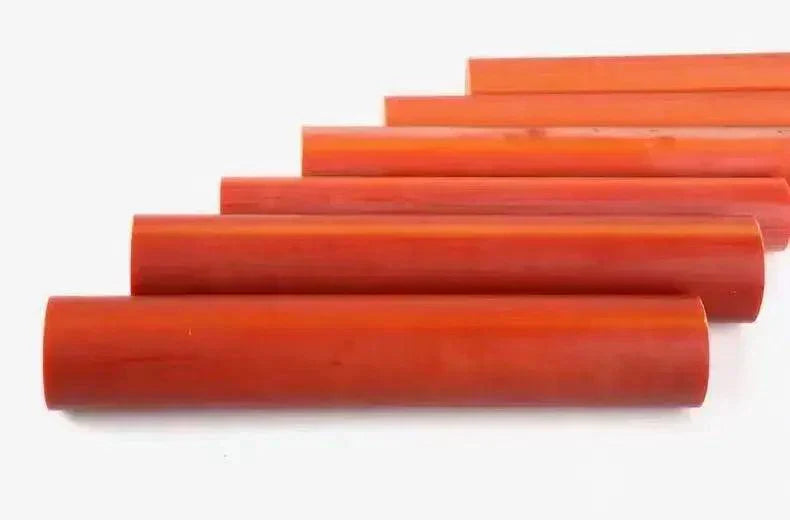
Curious about Bakelite rods and their unique properties? This comprehensive guide explores everything you need to know about Bakelite rods—from their composition to their versatile applications. Made from phenolic resin, Bakelite is a high-performance material prized for its mechanical strength, electrical insulation, and high-temperature resistance. In this post, we'll cover what Bakelite is made of, how it's used in industrial settings, and why it's the go-to choice for electrical insulation rods and mechanical components.
Discover how custom Bakelite rods are tailored for specific needs, and learn about their widespread applications in industries like electronics, automotive, and machinery. Whether you're working with fabric Bakelite rods, cotton cloth Bakelite rods, or simply curious about its properties, this guide has you covered. Dive into the world of Bakelite and see why it remains a staple in industrial and electrical engineering.

Composition and Properties of Bakelite Rod
Bakelite rods are highly regarded for their outstanding durability, heat resistance, and electrical insulation properties. These rods are crafted from phenolic resin, a thermosetting polymer that forms a rigid, durable structure when heated. As a material, Bakelite is a synthetic plastic derived from phenol and formaldehyde, which polymerizes to create its renowned strength and versatility in demanding environments.
What is Bakelite Made Of?
The main component of Bakelite material is phenolic resin, a compound resulting from the chemical reaction between phenol and formaldehyde. This resin is heat-resistant, making Bakelite rods perfect for applications that require high-temperature endurance. Additionally, phenolic resin rods exhibit exceptional electrical insulation, which is why they are often used in electronic components and electrical equipment. This makes Bakelite ideal for environments where mechanical strength and heat resistance are crucial.

Key Properties of Bakelite Rods
Bakelite rods boast several key characteristics that set them apart from other materials:
- Heat Resistance: These rods can endure temperatures as high as 250°C without deforming, making them suitable for high-temperature industrial applications.
- Electrical Insulation: The non-conductive nature of Bakelite material makes it ideal for insulating electrical components, helping prevent current leakage and short circuits.
- Mechanical Strength: Bakelite rods are highly durable, able to withstand mechanical stress and provide long-lasting structural integrity in a variety of applications.
These properties make Bakelite rods a versatile choice for numerous industries, including electronics, automotive, and heavy machinery.
Applications of Bakelite Rods in Electrical Insulation

The ability to endure high temperatures makes Bakelite rods an ideal choice for high-temperature resistant rod applications. They provide consistent performance without softening or losing insulation properties, which is vital for ensuring the safe operation of electrical systems.
Use in Transformers and Motors
In transformers, Bakelite rods act as spacers and insulation barriers that keep different electrical components apart, reducing the risk of short circuits. The non-conductive nature of Bakelite material helps in maintaining the efficiency of transformers by minimizing electrical losses. Additionally, in motors, electrical insulation rods made of Bakelite help protect the windings and other components from heat and electrical stress. Motors, which often operate in harsh conditions, benefit from the high-temperature resistance of Bakelite, ensuring durability and longevity in the toughest environments.
Durability in Industrial Environments
The use of heat resistant Bakelite in industrial environments goes beyond just electrical applications. These rods are often employed in equipment that experiences both mechanical and thermal stress. For example, in heavy machinery, Bakelite provides both insulation and structural support, making it ideal for use in motors, turbines, and control panels. Its mechanical strength allows it to handle vibrations and other physical forces, while its electrical insulation properties prevent damage to sensitive components.
Bakelite’s ability to resist both high temperatures and electrical currents ensures safety and reliability, which is why it's such a trusted material in high-voltage equipment across various industries. Whether in power distribution systems or in the manufacturing of electrical devices, Bakelite rods provide an efficient, cost-effective solution for insulation needs.
Through these applications, Bakelite rods have become a staple in electrical insulation, particularly in high-voltage and high-temperature environments. Their versatility and reliability ensure that they continue to be a top choice in both industrial and electrical engineering settings.
Why Bakelite Rods Are Perfect for High-Temperature Environments
Bakelite rods are engineered to withstand some of the harshest conditions, particularly in high-temperature environments. Their unique properties make them ideal for critical applications in industries such as automotive, industrial machinery, and electronics. Let's dive deeper into why Bakelite rods excel in such demanding conditions.
Heat Resistance and Durability
The core strength of Bakelite rods lies in their exceptional heat resistance. As a high-temperature resistant rod, Bakelite can withstand temperatures of up to 250°C without deforming or losing its structural integrity. This property makes it invaluable for applications where both mechanical and thermal stresses are prevalent. For instance, in automotive engines, heat resistant Bakelite is used in components like distributor caps and insulation pads, where it must endure continuous exposure to high temperatures without melting or breaking down.
In industrial machinery, Bakelite rods maintain their performance even in prolonged, high-heat operations, making them a crucial material for environments where heat and friction are constant factors. Their ability to endure without softening or warping ensures the smooth functioning of equipment and reduces the need for frequent replacements.
Applications in Automotive and Electronics
In the automotive sector, industrial Bakelite rods are used in various high-heat components, such as brake pads and ignition housings. Brake pads, for example, need to withstand extreme heat generated by friction without losing their mechanical properties. Bakelite rods provide both the mechanical strength and heat resistance required for these demanding applications. Similarly, in electronics, heat resistant Bakelite is used in high-voltage components and insulation, preventing overheating and maintaining electrical integrity.
The electronics industry, in particular, values Bakelite for its non-conductive and high-temperature resistant properties. Whether it’s in circuit boards or as insulation material for electronic devices, Bakelite rods offer a reliable solution for keeping components safe from both heat and electrical interference.
Industrial Machinery and High-Pressure Environments
In the realm of industrial machinery, Bakelite rods shine due to their resilience under high pressure and temperature. Machines that operate at high speeds generate significant heat, and the materials used in them must be able to resist both thermal and mechanical wear. Industrial Bakelite rods not only resist deformation under high temperatures but also provide exceptional mechanical stability, making them ideal for components like gears, bushings, and spacers.
The non-conductive properties of Bakelite also prevent electrical interference in industrial settings, ensuring safe and uninterrupted machine operation. This combination of heat resistance and mechanical durability makes Bakelite rods a popular choice for engineers and manufacturers alike.
Long-Term Stability in Harsh Conditions
Another major advantage of Bakelite rods is their long-term stability. Unlike other materials that may degrade over time when exposed to high temperatures and pressure, Bakelite maintains its properties, ensuring longevity and performance in harsh environments. This is particularly crucial in industries where equipment is expected to perform under challenging conditions without frequent maintenance or part replacement.
This long-term thermal stability and mechanical strength make Bakelite rods essential in sectors like power generation, manufacturing, and heavy-duty industrial applications.
Bakelite rods, with their combination of heat resistance, durability, and electrical insulation, continue to be the material of choice for high-temperature environments in various industries, from automotive to electronics. Their proven performance in maintaining structural integrity under extreme conditions ensures their ongoing importance in modern engineering solutions.

Mechanical Strength and Durability: The Versatility of Bakelite Rods
Bakelite rods are renowned for their exceptional mechanical strength, making them ideal for a wide range of heavy-duty applications. Whether used in industrial machinery, automotive components, or electrical systems, these rods offer durability and reliability under high stress. Let’s explore the versatility of Bakelite rods and why their mechanical strength is crucial in various industries.
Superior Mechanical Strength for Industrial Applications
One of the standout qualities of Bakelite rods is their impressive mechanical strength. This property allows them to withstand substantial pressure and stress without deforming or breaking, making them ideal for use in demanding industrial settings. Mechanical strength rods are often employed in the manufacturing of gears, bearings, and bushings, where durability and resilience are critical for smooth and efficient machine operations. Their resistance to wear and tear means that Bakelite rod applications are well-suited for machinery that operates under constant pressure or heavy loads.
The ability to maintain structural integrity over long periods under intense mechanical stress sets Bakelite rods apart from other materials. This makes them the preferred choice for industries that require components to last without frequent replacements.
Versatility in Custom Components

Durability in Harsh Conditions
Durability is a key feature of Bakelite rods, especially when exposed to harsh environmental conditions. In industrial environments where components are regularly subjected to high temperatures, mechanical vibrations, or corrosive substances, Bakelite rods maintain their mechanical strength and performance. This makes them ideal for use in heavy-duty machinery, automotive parts, and electrical equipment that requires both structural durability and long-lasting reliability.
Unlike other materials that may degrade over time due to mechanical fatigue or environmental factors, Bakelite rods remain stable and efficient, contributing to the longevity of the equipment in which they are installed. Their abrasion resistance and ability to withstand high mechanical loads ensure that they remain an integral part of industrial systems, even under constant use.
Applications in High-Stress Environments
The ability of Bakelite rods to perform under high stress makes them suitable for applications in industries that deal with significant mechanical forces. In automotive manufacturing, for example, mechanical strength rods are used in brake systems, gears, and engine components where both durability and precision are critical. Similarly, in industrial machinery, Bakelite rod applications extend to conveyor systems, turbines, and large-scale manufacturing equipment, where the rods act as crucial components for ensuring stability and smooth operation.
The combination of mechanical strength, versatility, and long-lasting durability ensures that Bakelite rods remain a reliable solution for engineers and manufacturers across various sectors. Their ability to handle heavy loads, resist wear, and be customized for specific industrial needs further enhances their value in high-stress applications.
Comparing Bakelite Rods with Phenolic Rods: What’s the Difference?
While Bakelite rods and phenolic rods are often used interchangeably in various industries, they are not exactly the same. Both materials share similar qualities, such as excellent electrical insulation and mechanical strength, but there are distinctions that set them apart. Understanding these differences can help you choose the right material for specific applications, particularly in insulation and mechanical settings.
The Composition of Bakelite Rods vs. Phenolic Rods
Bakelite rods are a specific type of phenolic rod, created using phenolic resin, which is derived from the chemical reaction between phenol and formaldehyde. What makes Bakelite rods stand out is their durability and ability to handle high temperatures. They have historically been used in electrical applications due to their heat-resistant and non-conductive properties.
On the other hand, phenolic rods can be made from different combinations of phenolic resin and reinforcing materials like fabric or paper. This variation affects the rods' mechanical and thermal properties. Phenolic rods can be classified based on their reinforcement, such as cotton cloth Bakelite rods or fabric Bakelite rods, each providing specific advantages in different industrial applications.

Mechanical Strength and Durability
When it comes to mechanical strength, both Bakelite rods and phenolic rods perform well under stress. However, fabric Bakelite rods tend to offer higher mechanical durability because of the added layers of fabric reinforcement. This makes them ideal for heavy-duty mechanical applications such as gears, bearings, and washers where both wear resistance and strength are essential.
Phenolic rods, particularly those reinforced with cotton fabric, exhibit excellent impact resistance and dimensional stability, making them suitable for more customized applications. For example, cotton cloth Bakelite rods are commonly used in applications where toughness and machinability are critical, such as in mechanical parts that experience high friction or heavy loads.
Electrical Insulation Properties
For electrical insulation applications where the material must also handle mechanical stress, fabric Bakelite rods are often the material of choice. These rods combine the heat resistance of phenolic resin with the additional strength provided by the fabric layers, making them suitable for electrical components that also require mechanical resilience.
Applications in Industry
The choice between Bakelite rods and other phenolic rods largely depends on the specific application. Bakelite rods are commonly used in high-temperature environments, such as transformers, motors, and other electrical components that require insulation and thermal stability. They are also frequently used in the automotive industry for parts like distributor caps and ignition housings.
In contrast, phenolic rods, particularly cotton cloth Bakelite rods, are more versatile when it comes to machinability and customization. They are often used in situations where parts need to be shaped or machined to specific dimensions, such as bushings, spacers, or custom mechanical components. The added fabric layers provide a balance between strength and flexibility, making phenolic rods suitable for a broader range of industrial applications.
While both Bakelite rods and phenolic rods offer excellent insulation and mechanical properties, the decision on which to use depends on the specific needs of your application. Bakelite rods excel in high-temperature and high-voltage environments, while fabric Bakelite rods and cotton cloth Bakelite rods offer more customization options and greater mechanical durability.
Customizing Bakelite Rods for Industrial Use
Bakelite rods have long been favored in industrial settings due to their impressive combination of mechanical strength, heat resistance, and electrical insulation properties. However, one of the most significant advantages of industrial Bakelite rods is their ability to be customized to meet specific requirements. Let’s explore the customization options available for Bakelite rods, from sizes and shapes to tailored uses in various industries.
Custom Sizes and Dimensions for Bakelite Rods
One of the key features of a custom Bakelite rod is the ability to manufacture it in a wide range of sizes. Industries often require Bakelite rods in specific diameters and lengths to suit particular machinery or applications. Whether it’s for small precision components like washers and spacers, or larger industrial parts like bearings and gears, manufacturers can produce Bakelite rods in the exact dimensions needed.
For industries such as automotive or heavy machinery, custom sizes are critical for ensuring the parts fit seamlessly into the equipment, reducing downtime and enhancing performance. With the proper machining, Bakelite rods can be customized to fit very specific tolerances, making them ideal for precision engineering projects.
Shaping Bakelite Rods for Specific Applications

Uses of Custom Bakelite Rods in Specific Industries
Custom Bakelite rods are used extensively across multiple industries due to their customizable properties. In the automotive industry, these rods are often used in high-heat components such as brake pads and ignition systems. The rods' heat resistance ensures that they maintain structural integrity even in the most extreme temperature conditions, while their customizable shapes allow them to be tailored for specific vehicle models.
In electrical applications, Bakelite insulation rods are often used to protect sensitive components from electrical interference. Their electrical insulation properties make them a go-to choice for manufacturers working with high-voltage equipment. Custom rods can be designed to fit specific electrical systems, ensuring safety and performance.
The machinery industry also takes full advantage of custom Bakelite rods for creating durable and reliable components. Whether it’s for reducing friction in gears or providing stability in bearings, Bakelite rods can be shaped and sized to withstand high mechanical stress and friction. This allows machinery to run smoothly and reduces the wear and tear on metal parts.
Benefits of Customizing Bakelite Rods

Frequently Asked Questions about Bakelite Rod Customization and BeePlastic Services
1. Can BeePlastic customize Bakelite rods for specific industrial needs?
Yes, BeePlastic specializes in customizing Bakelite rods for a wide range of industrial applications. Whether you need specific sizes, shapes, or materials, BeePlastic can manufacture custom Bakelite rods based on your unique requirements. We handle both sample customization and batch orders, ensuring the perfect fit for your project.
2. What file formats does BeePlastic accept for custom designs?
BeePlastic accepts a variety of file formats to ensure easy customization. We can work with files such as PDF, CAD, and other commonly used design formats. Simply submit your design files in the format that works best for you, and we will ensure your custom Bakelite rod is produced to your exact specifications.
3. Is there a minimum order quantity (MOQ) for custom Bakelite rods?
No, BeePlastic does not enforce a minimum order quantity (MOQ) for custom orders. Whether you need a single Bakelite rod for testing or a large batch for industrial production, we are here to accommodate your needs. We believe in providing flexible solutions, regardless of order size.
4. What is the typical production cycle for custom Bakelite rod orders?
The production cycle at BeePlastic depends on the complexity and volume of the order. For custom orders, the lead time may vary based on factors such as design intricacy and material availability. Rest assured, we communicate real-time updates on the production progress and keep you informed at every stage.
5. Can I get a sample of my custom Bakelite rod before placing a full order?
Yes, BeePlastic provides free samples for custom Bakelite rods. You are only responsible for the shipping costs, and we will cover the cost of producing the sample. This way, you can evaluate the product before proceeding with larger orders.
6. What are the typical uses of custom Bakelite rods?
Custom Bakelite rods are versatile and can be used in a variety of industries, including automotive, electrical insulation, and industrial machinery. They are particularly valuable in applications requiring high mechanical strength, heat resistance, and electrical insulation. Whether you need gears, bearings, or insulation components, BeePlastic can tailor the rods to your needs.
7. How do I submit a custom design for my Bakelite rod order?
Submitting a design is easy. You can upload your files (in PDF, CAD, or another supported format) directly through our website or email them to us. Once we receive your specifications, we will review them and get in touch with any questions to ensure a perfect final product.
8. How does BeePlastic ensure the quality of custom Bakelite rods?
BeePlastic follows strict quality control processes for all custom Bakelite rod orders. We use high-grade Bakelite materials and advanced machining techniques to ensure the rods meet your exact specifications. Our team conducts thorough inspections at each production stage to guarantee the highest standards of quality.
9. How do I track the production status of my custom order?
Once your order is placed, BeePlastic will provide real-time updates on the production status. You will receive regular notifications regarding production progress, any potential delays, and estimated shipping dates, allowing you to plan accordingly.
10. Does BeePlastic offer support for large-scale custom orders?

Bakelite rods offer a unique combination of mechanical strength, heat resistance, and electrical insulation, making them indispensable in a wide range of industrial applications. Whether you need custom solutions for automotive, electrical, or machinery use, the ability to tailor Bakelite rods to specific dimensions and designs adds unmatched versatility. With options for both small and large-scale orders, BeePlastic ensures that your custom Bakelite rods are produced to the highest standards of quality and durability. From gears and bearings to insulation rods, these rods are built to perform in even the most demanding environments. If you're looking for a reliable, high-performance material for your industrial needs, Bakelite rods are the perfect choice.
Let’s bring your custom Bakelite rod project to life!
Submit your details for a free quote, or browse our standard inventory. Our experts are ready to guide you.
-
Posted in
Bakelite applications, Bakelite rod, cnc plastic machining, CNC plastic machining services, Custom Bakelite, custom Bakelite rod, Electrical Insulation, Fabric Bakelite, High Temperature Plastic, industrial materials, Industrial Plastics, Insulation Material, Phenolic Resin, phenolic resin properties, Phenolic Rod