
Transform Your Design Into Precision Reality
Custom plastic machining to your drawings


Polishing & Sandblasting Services
Professional Surface Finishing Solutions
Custom Plastic Polishing & Sandblasting Services
Transform your machined plastic parts from functional to flawless. Expert flame polishing, buff polishing, diamond edge finishing, and precision bead blasting for PMMA acrylic, polycarbonate, ABS, POM, and 20+ engineering plastics. Achieve crystal-clear optical clarity or elegant frosted matte textures with our professional surface treatment services.
CNC Precision
1pc Accepted
Industry Experience
Plastic Materials

Professional quality inspection ensures every polished plastic component meets exacting standards
What is Plastic Polishing?
Plastic polishing is a professional surface finishing process that removes machining marks, saw cuts, tool paths, and surface imperfections from plastic components to achieve smooth, glossy, or optically clear finishes. When plastic sheets, rods, tubes, or CNC machined parts are cut, milled, or turned, they typically exhibit rough or frosted edges with visible tool marks that detract from the final product appearance.
Professional plastic edge polishing restores optical clarity to transparent thermoplastics like PMMA acrylic and polycarbonate (PC), while creating aesthetically pleasing surfaces on opaque engineering plastics like ABS, POM (Delrin/Acetal), and Nylon.
The plastic surface finishing process serves multiple purposes beyond visual improvement: polished surfaces reduce friction in mechanical applications, eliminate stress concentration points that could lead to cracking, improve light transmission in optical components, and create hygienically smooth surfaces for medical and food-contact applications.

Why Do You Need Professional Plastic Polishing Services?
Optical Clarity
Restore crystal-clear transparency to acrylic, polycarbonate, and other transparent plastics with glass-like edge finishing
Stress Relief
Eliminate micro-cracks and stress concentration points from machining to prevent part failure
Premium Aesthetics
Create high-gloss mirror finishes that elevate product quality and brand perception
Reduced Friction
Smooth surfaces improve mechanical performance in sliding, bearing, and wear applications
Professional Plastic Polishing Methods
BeePlastic offers multiple plastic polishing and surface finishing techniques to match your specific material, geometry, and finish requirements. Each method delivers distinct advantages for different applications.
Flame Polishing (Fire Polishing)
Flame polishing, also known as fire polishing or hydrogen flame polishing, uses a precisely controlled hydrogen-oxygen flame to briefly melt the surface layer of thermoplastic materials. As the high-temperature flame (approximately 2000°C) passes over the plastic edge or surface, it creates localized heating that causes the outer molecular layer to flow and self-level under surface tension forces.
This thermal polishing process eliminates machining marks, saw cuts, and router scratches to produce glass-like transparency and optical clarity on suitable materials. The flame polishing technique excels at restoring crystal-clear edges on transparent acrylics (PMMA, Plexiglass, Perspex, Lucite) and polycarbonates where visual appearance is critical.
The acrylic flame polishing process works particularly well for straight edges and accessible surfaces where the torch can maintain consistent contact and travel speed. Our skilled operators can also flame polish curved edges, beveled profiles, and complex contours, though this requires greater expertise and careful heat control to prevent distortion or bubbling.
💡 Best Applications: Acrylic display cases, museum exhibits, point-of-sale fixtures, LED light guides, edge-lit signage, architectural glazing panels, trophy and award components, aquarium panels, and any application requiring crystal-clear transparent edges.


Buff Polishing (Wheel Polishing)
Buff polishing, also known as wheel polishing, mechanical polishing, or cloth wheel buffing, uses high-speed rotating cotton or muslin wheels combined with specialized polishing compounds to abrade and smooth plastic surfaces through controlled friction. This traditional yet highly effective technique works on virtually all thermoplastic and thermoset materials, making it the most versatile plastic polishing method available.
The mechanical buffing process typically begins with coarser cutting compounds to remove machining marks, tool paths, and deep scratches, then progressively moves to finer polishing compounds for intermediate smoothing, and finally to ultra-fine finishing compounds for the final high-gloss mirror surface. Multiple polishing stages using different wheel densities, speeds, and compound grades produce increasingly refined surfaces with each pass.
Buff polishing offers exceptional versatility for complex 3D geometries that thermal or automated methods cannot easily address. Curved surfaces, compound angles, internal radii, undercuts, and irregular organic shapes all respond well to skilled buff polishing. This makes it the preferred finishing method for prototype development, custom one-off pieces, sculptural elements, and components with intricate three-dimensional forms that require uniform surface quality.
💡 Best Applications: Thick acrylic blocks and sculptures, custom fabricated enclosures, prototype housings, CNC machined parts, medical device components, consumer product housings, automotive interior trim, and any parts where flame polishing is unsuitable due to geometry or material type.
Diamond Polishing (Machine Edge Polishing)
Diamond polishing, also called diamond edge polishing or machine polishing, uses precision CNC-controlled machinery equipped with industrial diamond-tipped cutting and polishing wheels to produce consistently polished edges on plastic sheets in a single automated pass. This advanced process removes material in a highly controlled manner while simultaneously creating a polished surface, combining cutting and finishing into one efficient operation.
The diamond edge polishing process offers significant advantages for production environments requiring high consistency and throughput. Automated CNC operation ensures repeatable results across thousands of identical parts with minimal operator variation. The process can handle multiple sheets simultaneously in stack configurations, making it exceptionally efficient for batch processing of signage, display panels, and glazing applications.
Diamond polished edges exhibit excellent optical clarity on transparent materials like PMMA acrylic, though the finish character differs slightly from flame polishing. The diamond wheel produces a bright, clean edge with fine directional polish marks that are nearly invisible to the naked eye. Edge angles can be precisely controlled, including 45° bevels, chamfers, and custom profiles.
💡 Best Applications: High-volume acrylic signage production, display panel manufacturing, architectural glazing, LED light guide plates, retail fixture components, and any application requiring consistent edge quality across large quantities of identical straight-edged parts.


Vapor Polishing (Chemical Polishing)
Vapor polishing, also called chemical vapor smoothing or solvent polishing, uses carefully controlled solvent vapors to chemically smooth and clarify plastic surfaces. The part is suspended in a sealed chamber containing vaporized solvent (such as dichloromethane or acetone depending on the material), where the vapor condenses on the plastic surface and briefly dissolves the outer molecular layer. As the solvent evaporates, the surface reflows under surface tension to create a smooth, glossy, optically clear finish.
This chemical polishing technique offers unique advantages for finishing internal features that no mechanical or thermal method can reach. Threaded holes, internal channels, microfluidic pathways, complex internal cavities, and fully enclosed features can all be vapor polished because the vapor penetrates anywhere air can reach. This makes vapor polishing invaluable for medical devices, laboratory instruments, microfluidic chips, and precision optical components.
Vapor polishing produces excellent results on amorphous thermoplastics including polycarbonate, polysulfone (PSU), Ultem (PEI), and acrylic. The process requires careful material-specific solvent selection and precise exposure control to achieve optimal results without part distortion.
💡 Best Applications: Medical device components, microfluidic devices, laboratory equipment, optical instrument housings, internal threaded features, complex internal geometries, and any application where internal surface smoothness directly affects performance.
Hand Polishing (Manual Finishing)
Hand polishing combines multiple skilled manual techniques including progressive wet sanding, compound polishing, and fine buffing to achieve the highest possible surface quality that exceeds what any automated method can deliver. This labor-intensive artisan process produces museum-quality, show-grade finishes for premium applications where absolute surface perfection is required.
The manual polishing process begins with progressive wet sanding using increasingly fine grit waterproof sandpapers, typically starting around 400 grit and advancing through 600, 800, 1000, 1200, 1500, 2000, and sometimes 3000 grit or finer. Each careful sanding stage removes the scratch pattern from the previous stage while creating progressively finer, less visible scratches. After sanding, specialized polishing compounds are applied by hand or with small rotary tools to create the final high-gloss mirror surface.
Hand polishing requires significant skill, patience, and time, making it the most expensive polishing option. However, for premium applications where surface perfection is paramount and budget allows, hand polishing delivers unmatched results. This method works on all plastic materials and can address any geometry that an operator can physically access.
💡 Best Applications: Museum display pieces, high-end retail fixtures, luxury product housings, artistic sculptures, optical prototypes, restoration and repair work, show cars and exhibition vehicles, trophy and award components, and any application demanding absolute surface perfection.

Choosing the Right Plastic Polishing Method
Selecting the optimal polishing technique depends on your material type, part geometry, production volume, finish requirements, and budget. Use this comparison guide to identify the best approach for your application.
| Method | Best Materials | Geometry | Finish Quality | Speed | Cost |
|---|---|---|---|---|---|
| 🔥 Flame Polishing | PMMA, PC, PETG | Straight & curved edges | ⭐⭐⭐⭐⭐ Optical clarity | ⚡⚡⚡⚡ Fast | $$ |
| 🔘 Buff Polishing | All plastics | Any shape, 3D surfaces | ⭐⭐⭐⭐ High gloss | ⚡⚡⚡ Moderate | $$-$$$ |
| 💎 Diamond Polishing | PMMA, PC sheets | Straight edges only | ⭐⭐⭐⭐⭐ Consistent | ⚡⚡⚡⚡⚡ Very fast | $ |
| 🧪 Vapor Polishing | PC, PEI, PSU | Internal features | ⭐⭐⭐⭐ Excellent | ⚡⚡⚡ Moderate | $$$ |
| ✋ Hand Polishing | All plastics | Any accessible surface | ⭐⭐⭐⭐⭐ Premium | ⚡ Slow | $$$$ |
Not sure which polishing method is right for your project? Our engineering team provides free technical consultation.
Get Expert Recommendations →Plastic Sandblasting & Bead Blasting Services
Plastic sandblasting, also called bead blasting, media blasting, or abrasive blasting, propels fine media particles against plastic surfaces under controlled pressure to create uniform matte textures, remove surface contamination, or prepare surfaces for bonding, painting, or coating. This versatile surface treatment serves both functional and decorative purposes across industries.

❄️ Frosted & Matte Finishes
Sandblasting transforms transparent plastics into elegant frosted or translucent finishes. By controlling the blasting media type, particle size, pressure, and exposure time, we create consistent matte textures ranging from light satin to heavy frost effects. This process diffuses light transmission while maintaining material structural properties.
Frosted acrylic (PMMA) and polycarbonate panels serve as privacy glazing, light diffusion panels, decorative room partitions, and backlit signage elements. The uniform matte texture also hides fingerprints and minor surface scratches, making sandblasted finishes practical for high-touch applications.
Applications: Privacy screens, lamp shades, LED diffusers, architectural panels, decorative partitions, display backgrounds

🔗 Surface Preparation for Bonding
Sandblasting dramatically improves adhesive bonding strength on plastic surfaces. The controlled surface roughening creates microscopic texture that increases effective surface area and provides mechanical interlocking sites for adhesives. This surface activation is particularly valuable for structural bonding applications where joint strength and long-term reliability are critical.
Many engineering plastics including PEEK, PTFE (Teflon), HDPE, and polypropylene have inherently low surface energy that makes adhesive bonding difficult. Sandblasting these materials before bonding significantly improves joint performance.
Applications: Structural assemblies, composite bonding, paint/coating adhesion, overmolding preparation
👁️ Anti-Glare & Anti-Fingerprint
Sandblasted surfaces reduce glare and reflections on plastic panels used in displays, instrumentation, and electronic equipment. The matte texture scatters incident light rather than creating sharp specular reflections, improving visibility and readability in bright ambient lighting conditions.
The textured surface also conceals fingerprints, smudges, and oils that would be highly visible on glossy surfaces. This practical benefit makes sandblasted finishes popular for touch screen bezels, control panel overlays, equipment housings, and any surfaces subject to frequent human contact.
🎨 Decorative Texturing
Beyond simple frosting, sandblasting creates diverse decorative effects through variations in media type, particle size, and blasting parameters. Coarse media produces bold, aggressive textures while fine media creates subtle satin finishes. Variable blasting techniques can create gradient effects, masked patterns, and artistic designs.
Selective masking allows creation of logos, patterns, and multi-level designs by blasting only specific areas. Custom texturing differentiates products, adds perceived value, and creates unique visual identities for consumer products, architectural elements, and premium packaging.
Surface Finishing Transformation

Dramatic transformation from rough machined edge to crystal-clear polished finish
From Machined to Masterpiece
When plastic components are CNC machined, laser cut, or saw cut, they exhibit rough, frosted, or opaque edges with visible tool marks that detract from product quality. Professional plastic polishing transforms these raw machined surfaces into flawless finished components ready for assembly or end-use.
What Polishing Eliminates:
- Saw cut marks and blade lines
- CNC tool paths and machining marks
- Laser cut heat-affected zones
- Router chatter and vibration marks
- Frosted or hazy surface appearance
- Micro-scratches and surface imperfections
Compatible Materials for Polishing & Sandblasting
Our surface finishing services accommodate a comprehensive range of thermoplastics, high-performance polymers, and thermoset composites. Material properties determine which polishing methods produce optimal results for your application.
💎 Transparent & Optical Plastics
These clear materials respond excellently to flame polishing and diamond polishing for achieving optical clarity and glass-like transparency. Sandblasting creates attractive frosted privacy effects.
⚙️ Engineering Plastics
These versatile engineering materials polish well using buff polishing and diamond polishing methods. Flame polishing is generally not suitable for crystalline or filled materials. Sandblasting works effectively for matte finishes and bonding preparation.
🚀 High-Performance Plastics
These advanced materials require specialized polishing approaches. Buff polishing works universally. Vapor polishing produces excellent results on amorphous high-performance polymers. Sandblasting effectively prepares surfaces for bonding and coating.
🔧 Thermoset Composites & Laminates
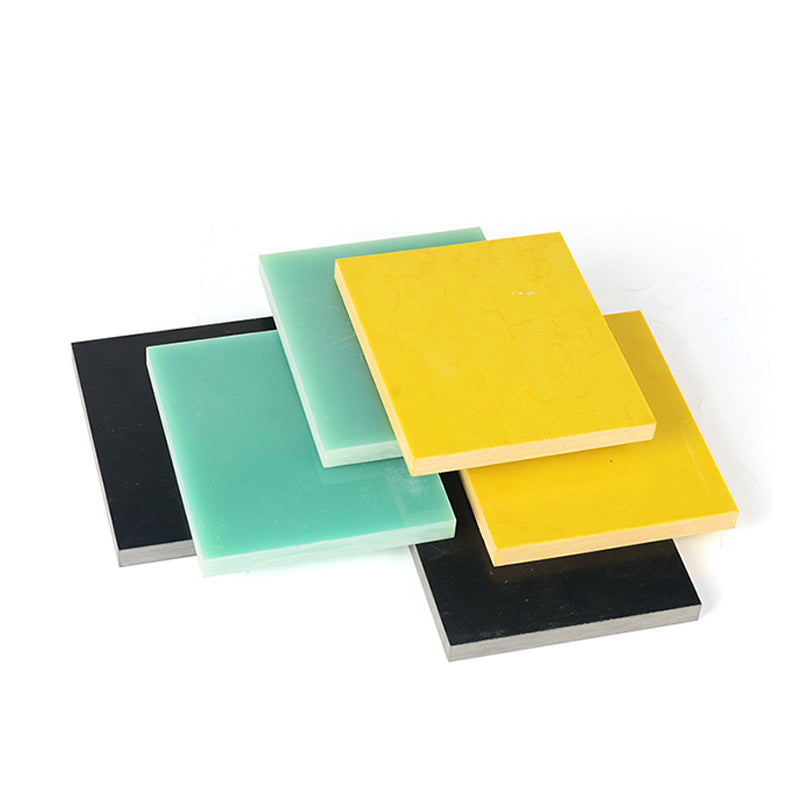
These materials cannot be flame polished due to their thermoset nature but respond well to mechanical buff polishing and sandblasting. Multi-stage polishing produces excellent surface finishes for electrical insulation and structural applications.
Industry Applications
Professional plastic polishing and sandblasting serve critical functions across diverse industries. Quality surface finishes directly impact product performance, user experience, and commercial success.
🛍️ Retail Displays & POS
Polished acrylic displays showcase products with maximum visual impact. Crystal-clear edges on display cases, shelving, and fixtures demonstrate quality craftsmanship. Frosted panels provide elegant backdrops and privacy screening.

📢 Signage & Visual Communication
Edge-lit acrylic signs require perfectly polished edges for uniform light distribution. Laser-cut letters and logos need clean, professional edges that reflect brand quality. Sandblasted effects create depth and visual interest.

💡 Lighting & Optical
Light diffusers require precisely controlled surface finishes for optimal light distribution. Polished light pipes and light guides transmit light efficiently with minimal losses. Lens covers need optical clarity without distortion.
⚕️ Medical & Laboratory
Medical device housings require smooth, cleanable surfaces. Polished surfaces eliminate crevices where contamination could accumulate. Vapor polished microfluidic channels ensure consistent fluid flow. Sandblasted surfaces reduce glare on diagnostic displays.
🏭 Industrial & OEM
Machine guards and safety shields benefit from optically clear polished edges. Polished surfaces on precision components reduce friction and wear. Sandblasted texture on handles improves ergonomics. Bonding prep ensures reliable assembly.

🏛️ Architecture & Interior Design
Architectural glazing panels demand premium edge quality visible to building occupants. Polished acrylic furniture showcases material beauty. Privacy panels with frosted finishes balance light transmission with visual screening.
Surface Finishing Capabilities & Specifications
Size Capacity
Flame polish: Up to 2000mm length
Diamond polish: 3mm-50mm thickness, up to 3000mm
Sandblasting: Up to 1500mm × 1000mm
Buff polish: No size limit
Finish Quality
Optical clarity: 93%+ light transmission
Surface roughness: Ra 0.05-0.4μm
Gloss level: Matte to mirror finish
Edge clarity: Glass-like transparency
Quality Control
Visual inspection under controlled lighting
Surface quality verification
Finish consistency documentation
Reference sample matching
Why Choose BeePlastic for Plastic Polishing Services?
Complete Plastic Expertise
Unlike general finishing shops, we specialize exclusively in plastics. Our 15+ years of experience means we understand how different materials respond to various finishing processes.
Integrated Manufacturing
Surface finishing integrates seamlessly with our CNC machining and laser cutting.
No Minimum Order Quantity
We welcome projects of any size, from single prototype pieces to high-volume production runs. Small orders receive the same quality attention as large contracts.
Fast Turnaround
Standard finishing projects complete within 3-5 business days. Rush services available for urgent requirements. Our in-house capabilities eliminate delays.
Global Shipping
We ship finished components worldwide with secure packaging designed for polished plastic products. Free standard shipping available to select regions.
Technical Support
Our engineering team provides free guidance on finish selection, material compatibility, and design optimization. We help specify appropriate finishes for your applications.

Our fully-equipped surface finishing workshop handles everything from prototype polishing to production volumes
How to Order Plastic Polishing Services
Working with BeePlastic for surface finishing is straightforward whether you need finishing for parts we manufacture or finishing services for your existing components.
Submit Requirements
Send CAD files, material specs, quantity, and desired finish quality
Technical Review
Engineers recommend optimal methods. Quote within 1 business day
Confirm Order
Approve quote and we schedule production immediately
Finishing & QC
Skilled technicians finish parts with full quality inspection
Secure Delivery
Protective packaging and worldwide tracked shipping
Frequently Asked Questions
What is the difference between flame polishing and buff polishing?
Flame polishing uses controlled heat to melt and reflow the surface layer, producing glass-like clarity on transparent thermoplastics like acrylic and polycarbonate. It works quickly on straight edges but is limited to specific materials. Buff polishing uses rotating cloth wheels with polishing compounds to mechanically smooth surfaces. It works on all plastics and any geometry but requires more time for equivalent clarity on transparent materials.
Can you polish CNC machined plastic parts, not just sheet edges?
Yes! Our buff polishing, hand polishing, and vapor polishing services address three-dimensional CNC machined components including curved surfaces, internal features, and complex geometries. We regularly polish milled parts, turned components, and fabricated assemblies.
Which plastics can be flame polished?
Flame polishing works well on amorphous transparent thermoplastics including PMMA acrylic (Plexiglass, Perspex, Lucite), polycarbonate, and PETG. It does not produce good results on crystalline plastics like POM, Nylon, HDPE, or PP because they do not flow smoothly when heated. Opaque plastics generally cannot be flame polished effectively.
Can sandblasting damage plastic parts?
Proper sandblasting techniques with appropriate media do not damage plastic parts. We carefully select media type, particle size, and blasting pressure based on material properties and desired results. Thin-walled parts and delicate features require careful technique to prevent distortion. Our experienced operators adjust parameters for each material and application.
Do you offer finishing services for parts manufactured elsewhere?
Yes. We provide finishing-only services for customer-supplied parts. Ship your components to our facility, and we perform the specified polishing or sandblasting operations. This service is valuable when your current supplier lacks finishing capabilities or when specialized finishing expertise is required.
What is the typical lead time for polishing services?
Standard finishing projects complete within 3-5 business days. Rush services can reduce this to 1-2 days for urgent requirements. Lead time for integrated machining and finishing projects depends on overall project complexity. We provide detailed timelines with every quotation.
Can you match the finish on my existing parts?
Usually yes. Send us a sample of the finish you need to match, and we analyze the existing finish to develop a process to replicate it. For production consistency, we maintain process parameters and reference samples throughout the project to ensure all parts match your requirements.
Related Custom Plastic Services
CNC Machining
Precision plastic parts with ±0.03mm tolerance
Laser Cutting
Intricate designs with clean edges
Heat Bending
Thermoforming complex 3D shapes
Plastic Welding
Strong, seamless plastic bonds
Cut to Size
Custom dimensions for sheets & rods
UV Printing
High-resolution graphics on plastic
3D Printing
Rapid prototyping & complex parts
Injection Molding
High-volume production runs
Start Your Plastic Polishing Project Today
Ready to transform your plastic components with professional surface finishing? Our engineering team is prepared to review your requirements and recommend the optimal polishing approach for your application.
Questions about plastic polishing or sandblasting services?
Email: beeplastic@beeplastic.com
Our surface finishing experts respond to inquiries within one business day. Serving customers worldwide.
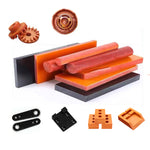
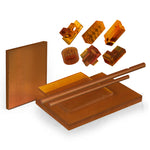
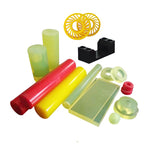
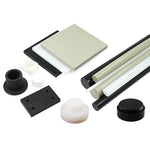
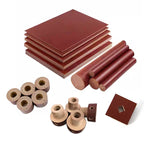
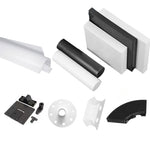
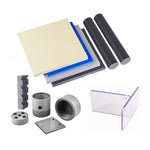
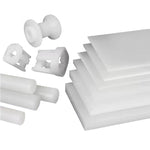
Precision Plastic Parts We've Delivered
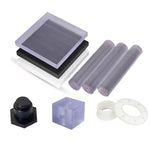
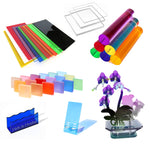
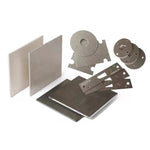
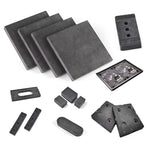
From transparent acrylic displays to precision gears, high-temp phenolic components to custom seals
——we machine any plastic, any complexity.


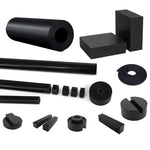
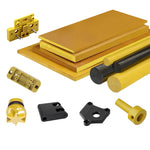
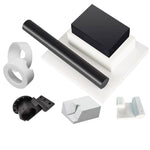
Custom Plastic Fabrication
1pc to 10,000+ | ±0.03mm | No MOQ
General
HDPE
PP
PVC
ABS
Engineering
POM
Nylon
PC
PMMA
High-Performance
PEEK
PEI
PTFE
Composites
FR-4
G10
Flexible
TPU
Silicone
Why Choose BeePlastic?
Request a Quote
Industries: Automotive • Medical • Food • Lab • Semiconductor
Free consultation → beeplastic@beeplastic.com
QUOTE IN 1 BUSINESS DAY
Send a drawing, sketch or dimensions
NO MOQ REQUIRED
From 1 prototype to high volume
±0.03MM PRECISION
Advanced CNC with full QC inspection
1000+ TONS STOCK
26+ materials ready to ship