HDPE vs UHMWPE: Which Plastic Is Right for Your Custom Manufacturing Needs?
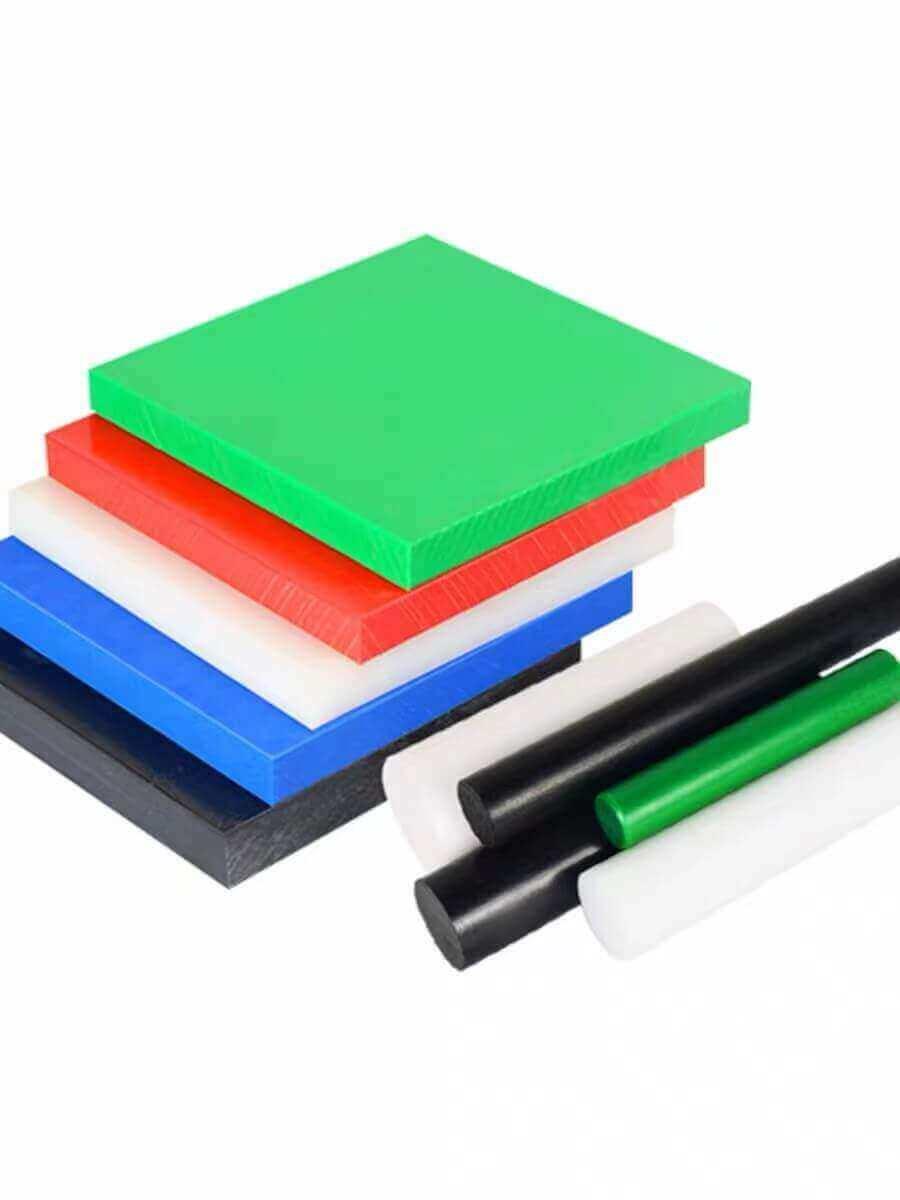
When it comes to industrial-grade plastics, I know firsthand how overwhelming it can feel to choose the right material for your custom applications. Especially in manufacturing, processing, or equipment fabrication, you can’t afford to guess. That’s why I’m diving deep into a common comparison many engineers, procurement officers, and technical buyers face—HDPE vs UHMWPE. Whether you're designing sliding parts, protective liners, or chemical-resistant containers, understanding the strengths and limitations of each material could save you time, money, and stress. Let’s figure out which plastic fits your needs best and why making the right decision matters more than ever in a competitive production environment.
🎉 Exclusive Offer for Custom Projects
Ready to optimize your production costs? Use code QR4GNY08SHVR at checkout to enjoy a special discount on your entire order!
Understanding the Basics: HDPE and UHMWPE Defined


Comparing Mechanical Properties: Durability, Friction, and Impact Resistance
Let’s get into the performance specs—the part every engineer wants to see. Choosing between HDPE and UHMWPE often comes down to how each material behaves under mechanical stress.
| Feature | HDPE | UHMWPE |
|---|---|---|
| Impact Strength | Good / Standard | Excellent (No-break) |
| Friction | Low | Extremely Low (Self-lubricating) |
| Stiffness | Higher (Better for tanks) | Moderate |
Durability and Impact Strength: UHMWPE takes the lead when it comes to toughness. It can withstand repeated pounding, scraping, and sliding without deforming or breaking down. In contrast, HDPE offers solid durability in static or low-impact environments but may show signs of wear more quickly in aggressive conditions.
Friction and Surface Wear: UHMWPE is known for having one of the lowest coefficients of friction among plastics. That means less drag, less heat, and less noise—making it a preferred choice for moving assemblies and sliding contact points. HDPE has decent wear resistance, but if you’re dealing with high-speed movement or abrasive flow, UHMWPE will simply last longer.
Stiffness and Load-Bearing: HDPE is the winner in rigidity. It holds its shape better, making it a solid option for parts that need to stay flat or bear structural loads. If you’re machining precision panels, mounting surfaces, or pipe flanges, HDPE gives you more control.
Chemical and Environmental Resistance: Both materials perform well against acids, bases, and solvents, but UHMWPE handles extreme chemical exposure better. Both resist water, UV exposure (with additives), and most weathering conditions, but UHMWPE performs more reliably in aggressive industrial settings.
Top Rated UHMWPE Materials for Machining


Processing & Machining: Which One Works Better for Custom Jobs?
In my experience, how a material machines is just as important as how it performs in use. That’s where HDPE really proves itself.
HDPE can be processed with standard plastic fabrication equipment. It cuts cleanly, produces minimal burrs, and forms easily with heat or pressure. For CNC routing, sheet bending, or simple thermoforming, HDPE gives you fast results without driving up tool wear. This translates to lower labor costs and tighter lead times.
UHMWPE, while unmatched in toughness, does come with challenges. Its slick surface and high molecular weight make it difficult to glue or weld. It must be machined using very sharp tools and slower feed rates to avoid surface melting or irregular finishes. The material also tends to “creep” or deform under prolonged stress, which must be factored into tight-tolerance parts.
Still, if you need a low-maintenance, high-performance component in a demanding environment, UHMWPE can outlast other plastics—offsetting the added machining effort with fewer replacements.
Choosing by Application: Real-World Use Cases in Industry
Now, let’s look at how each material plays out in real-world settings:
HDPE Applications
- Water treatment systems
- Chemical processing tanks
- Agricultural equipment housings
- Cutting boards and food-grade liners
- Marine structures and dock fenders
UHMWPE Applications
- Conveyor belt wear strips and guide rails
- High-impact sliding surfaces
- Chute and hopper liners
- Packaging machinery components
- Bullet-resistant panels and protective shields
In short: if your components face repetitive wear, impact, or the need for near-zero maintenance, UHMWPE is likely your best investment. If your goal is versatile, easy-to-process material for a broad range of moderate-duty tasks, HDPE offers tremendous value.
Cost Considerations and Material Value

Final Thoughts: Making the Right Choice for Your Custom Project
So, which material wins in the HDPE vs UHMWPE debate? That depends on your priorities. If your job calls for simple fabrication, structural rigidity, and budget-conscious scaling, HDPE is a workhorse that’s hard to beat. If you need maximum resistance to friction, abrasion, and impact, UHMWPE is the premium solution built for rugged reliability.
Don’t choose based on guesswork or assumptions. The right plastic makes a real difference in productivity, performance, and profitability.
-
Posted in
cnc machining plastics, custom plastic machining, engineering plastics, HDPE, high performance polymers, industrial plastic comparison, manufacturing plastics, plastic materials, polyethylene, uhmwpe