Essential Tips for Procuring High-Quality FR4 Fiberglass Sheets for Accessories

Understanding FR4 Fiberglass Sheet Specifications for Accessory Manufacturing

Size is another vital specification. The dimensions of the sheet determine how large your accessories can be or how many pieces you can fabricate from a single sheet. It's essential to select a size that minimizes waste and aligns with the scale of your production needs.
Thermal Resistance: A Key Factor
Thermal resistance is a hallmark of FR4 fiberglass sheets, making them suitable for accessories that will be exposed to high temperatures or require insulation properties. This specification is particularly important in electronic accessory manufacturing, where heat dissipation is a critical concern. The ability of FR4 to maintain its structural integrity and electrical insulating properties at elevated temperatures is a significant advantage.
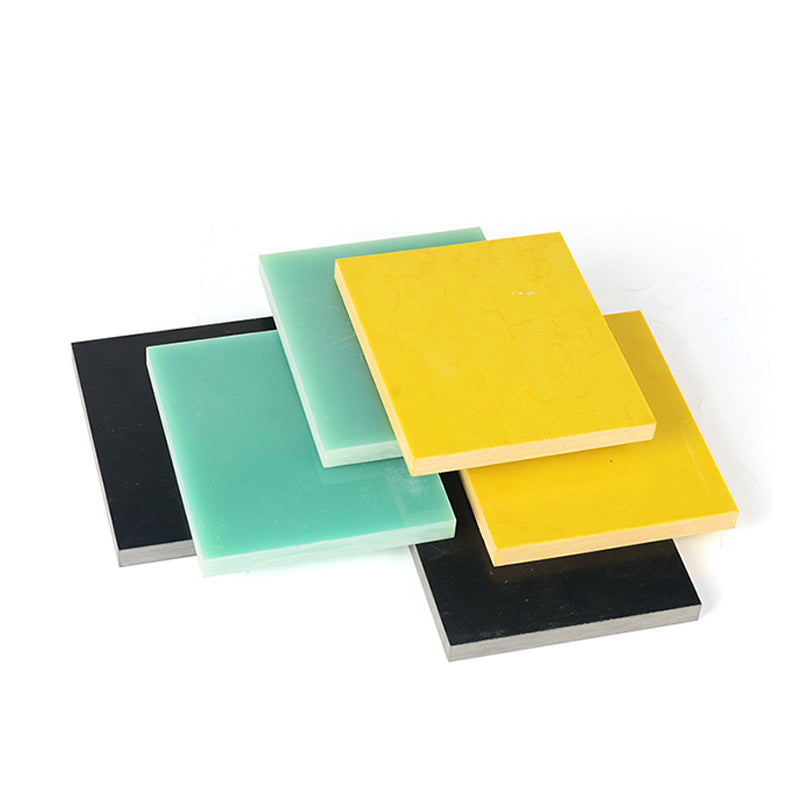
Recommended FR4 Materials

Impact on Quality and Suitability

Choosing the right FR4 fiberglass sheet specifications requires a deep understanding of the material's properties and how they align with the needs of your accessory project. By carefully considering these factors, manufacturers can ensure that their products meet the highest standards of quality and performance.
This detailed exploration of FR4 fiberglass sheet specifications underscores the importance of material selection in accessory manufacturing. By focusing on thickness, size, and thermal resistance, manufacturers can tailor their products to meet specific requirements, ensuring that each accessory is perfectly suited to its intended application.
The Importance of Supplier Selection in FR4 Fiberglass Sheet Procurement
A reputable supplier should be willing to discuss their quality control measures, including material sourcing, manufacturing practices, and final product testing. This transparency is a good indicator of their commitment to quality.
Assessing Reliability
Reliability is another critical factor in supplier selection. A reliable supplier not only delivers high-quality products but also ensures consistent supply and adheres to delivery schedules. Assessing a supplier's reliability can involve checking their track record, asking for references from other customers, and evaluating their responsiveness to inquiries and orders.
Consider their production capacities and logistics capabilities. Can they handle your order volume? How do they manage supply chain disruptions? A supplier's ability to navigate these challenges speaks volumes about their reliability.
Evaluating Customer Service
Excellent customer service is the hallmark of a reputable supplier. This includes not just the sales process but also after-sales support. A supplier with strong customer service will provide technical support, assist with troubleshooting, and be willing to address any concerns post-purchase.
Engage with potential suppliers to gauge their responsiveness and willingness to provide information and support. Suppliers who are proactive in communication and transparent about their capabilities and limitations are more likely to be reliable partners in the long term.
The Role of Due Diligence
Conducting due diligence is imperative before finalizing a supplier for FR4 fiberglass sheets. This might include visiting the supplier's facilities, if possible, or arranging for third-party audits. Such steps can provide deeper insights into the supplier's operational efficiency, quality control measures, and overall business practices.
Choosing the right supplier for FR4 fiberglass sheets is a strategic decision that impacts every aspect of your accessory manufacturing project. By focusing on quality standards, reliability, and customer service, you can establish a partnership that not only meets but exceeds your expectations, ensuring the success of your projects.
Cost vs. Quality: Balancing Budget and Performance for FR4 Fiberglass Sheets

Assessing Long-Term Value
The long-term value of FR4 fiberglass sheets is closely tied to their performance characteristics, such as thermal resistance, mechanical strength, and electrical insulation. High-quality FR4 sheets that offer superior performance can enhance the functionality and lifespan of the final product, contributing to greater customer satisfaction and lower replacement costs.
When evaluating FR4 sheets, consider how their performance under operational conditions will impact their value over time. For example, sheets with higher thermal resistance may be more expensive but are essential for applications where heat exposure is a concern, ultimately providing better value through enhanced performance and reliability.
Balancing Budget Constraints with Quality Needs
Balancing budget constraints with the need for quality requires a strategic approach. Start by defining the minimum performance specifications your project requires, and then seek out FR4 sheets that meet these criteria at the best possible price. Don't hesitate to negotiate with suppliers or explore bulk purchasing options to reduce costs without compromising on the necessary quality standards.
The Role of Supplier Relationships
Establishing strong relationships with suppliers can also play a crucial role in balancing cost and quality. Trusted suppliers are more likely to work with you to find cost-effective solutions that meet your quality requirements, offer volume discounts, or provide favorable payment terms. They may also offer valuable insights into optimizing your use of FR4 sheets to achieve the best balance between cost and performance.
Balancing the cost and quality of FR4 fiberglass sheets requires a comprehensive approach that considers the total cost of ownership and the long-term value of the materials. By carefully assessing these factors and working closely with reputable suppliers, manufacturers can make informed decisions that ensure their projects are both cost-effective and of high quality, ultimately leading to successful outcomes.
Customization and Processing of FR4 Fiberglass Sheets for Unique Accessories

Drilling for Detail
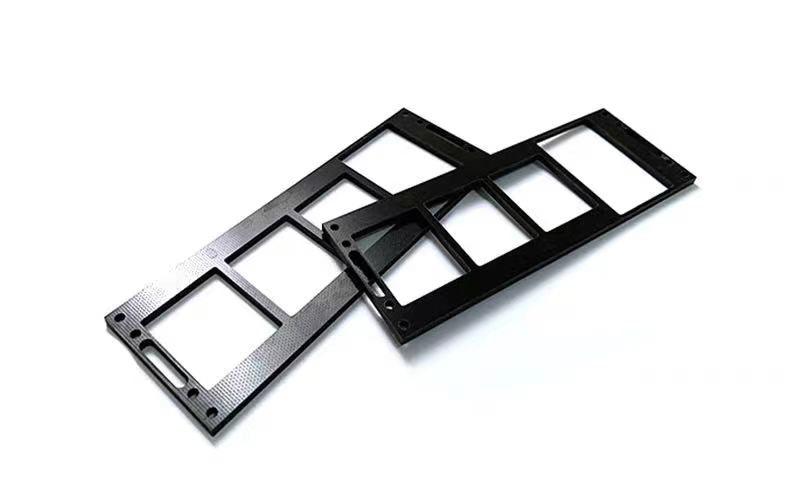
Drilling is another critical customization process, particularly for electronic accessory projects where FR4 sheets are used as PCB (Printed Circuit Board) substrates. Precision drilling is required to create vias and mounting holes, with specialized equipment used to achieve the necessary diameter and depth without compromising the structural integrity of the sheet. The choice of drilling parameters, including bit type and speed, must be carefully managed to prevent delamination or cracking, ensuring the final product meets the highest quality standards.
Enhancing with Surface Treatment
Surface treatment of FR4 fiberglass sheets can significantly enhance their properties and appearance. Techniques such as silkscreen printing, anodizing, or coating with protective layers can add visual appeal, improve wear resistance, and increase electrical insulation. For accessories that will be exposed to harsh environments or require additional functionality, such as enhanced solderability or reduced friction, surface treatments offer a way to customize the FR4 material to meet these specific needs.
Meeting Design Requirements
The ability to customize and process FR4 fiberglass sheets through cutting, drilling, and surface treatment opens up a world of possibilities for unique accessory projects. Each technique can be tailored to the specific requirements of the project, whether that's creating complex shapes, achieving precise fitments, or enhancing the material's natural properties.
By leveraging these customization processes, designers and manufacturers can push the boundaries of what's possible with FR4 fiberglass sheets, creating accessories that are not only functional and durable but also perfectly aligned with the aesthetic and performance specifications of the project.
Sustainability and Environmental Considerations in FR4 Fiberglass Sheet Procurement

Recycling and Reuse Options
Recycling and reuse of FR4 materials present both challenges and opportunities. While the inherent durability and chemical resistance of FR4 make it difficult to recycle in traditional ways, innovative approaches are being developed. Companies are exploring methods to grind down used FR4 sheets and repurpose the material for other products or as filler material in composite manufacturing. Encouraging the development and adoption of such recycling technologies is vital for reducing the environmental impact of FR4 waste.
Choosing Eco-Friendly Suppliers
Selecting suppliers with strong eco-friendly credentials is another critical aspect of sustainable FR4 sheet procurement. This includes suppliers who demonstrate a commitment to environmental management systems, such as those certified under ISO 14001, and those who actively work to reduce their carbon footprint and waste production. Suppliers that source materials responsibly and employ sustainable manufacturing practices not only help reduce the environmental impact of their products but also support the broader adoption of green practices in the industry.
The Role of Certifications and Standards
Certifications and environmental standards play a significant role in guiding sustainable practices in the FR4 sheet industry. Suppliers that adhere to recognized environmental standards provide assurance that their products are produced with a commitment to minimizing environmental harm. By prioritizing these suppliers, businesses can contribute to a more sustainable supply chain, promoting environmental stewardship while still meeting their manufacturing needs.
Sustainability and environmental considerations are becoming increasingly important in the procurement of FR4 fiberglass sheets for accessory production. By focusing on sustainability practices, exploring recycling options, and choosing suppliers with eco-friendly credentials, manufacturers can significantly reduce the environmental impact of their products. This not only benefits the planet but also aligns with the growing consumer demand for environmentally responsible products, offering a competitive edge in the market.

In navigating the complexities of FR4 fiberglass sheet procurement and customization for accessory manufacturing, it's clear that a balance of technical knowledge, strategic supplier selection, and a commitment to sustainability forms the foundation of success. By understanding the nuances of FR4 specifications, embracing the intricacies of customization, and prioritizing environmental considerations, manufacturers can ensure their projects not only meet the highest standards of quality and performance but also contribute positively to the broader goals of environmental stewardship. This holistic approach to FR4 fiberglass sheet procurement underscores the importance of informed decision-making and strategic planning in the pursuit of innovation and sustainability in accessory manufacturing.
Start Your Custom Project with BeePlastic
Take the first step towards unparalleled quality and sustainability in your accessory manufacturing. Connect with us now for a free quote or technical consultation.
Submit Your Inquiry Now-
Posted in
accessory procurement, cost-effectiveness, durability, electrical insulation, flame retardancy, FR4 fiberglass sheets, product quality, supplier selection