Epoxy Machinability Explained: Perfect Solutions for Industrial Processing
Epoxy materials have become a cornerstone of industrial manufacturing, celebrated for their strength, versatility, and durability. As demands for precision and performance grow, understanding how to machine epoxy effectively is essential for maximizing its potential in industrial applications. This comprehensive guide delves deep into the properties of epoxy, factors influencing its machinability, best practices, and its myriad industrial uses.
🚀 Limited Time Offer Used Code: QR4GNY08SHVR at checkout!
Enjoy a special discount on your entire order of FR4 fiberglass plastic. Shop Now 👉
What Is Epoxy and Why Is It Important in Industrial Processing?

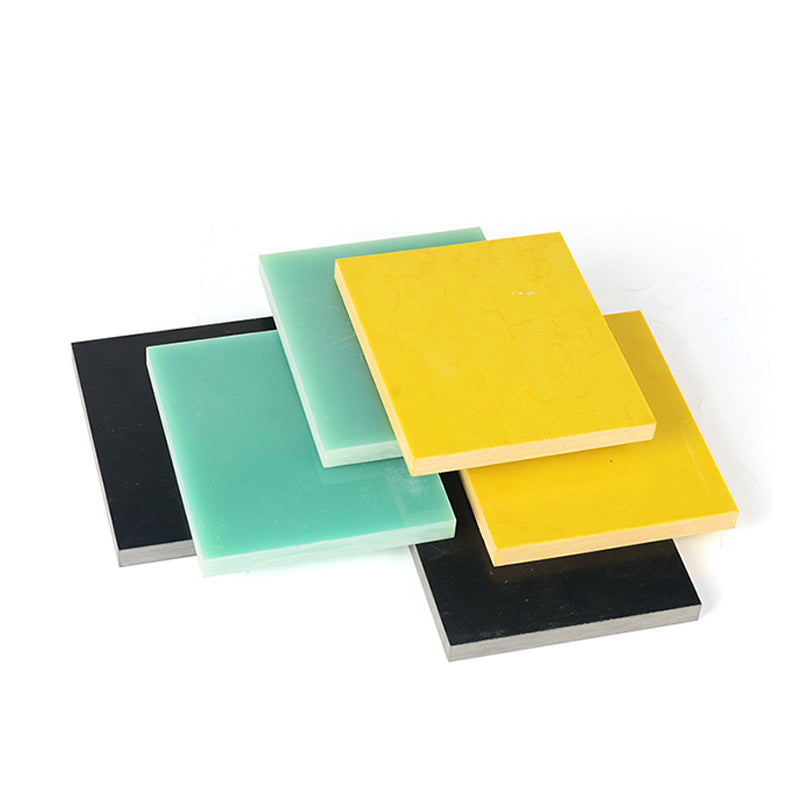
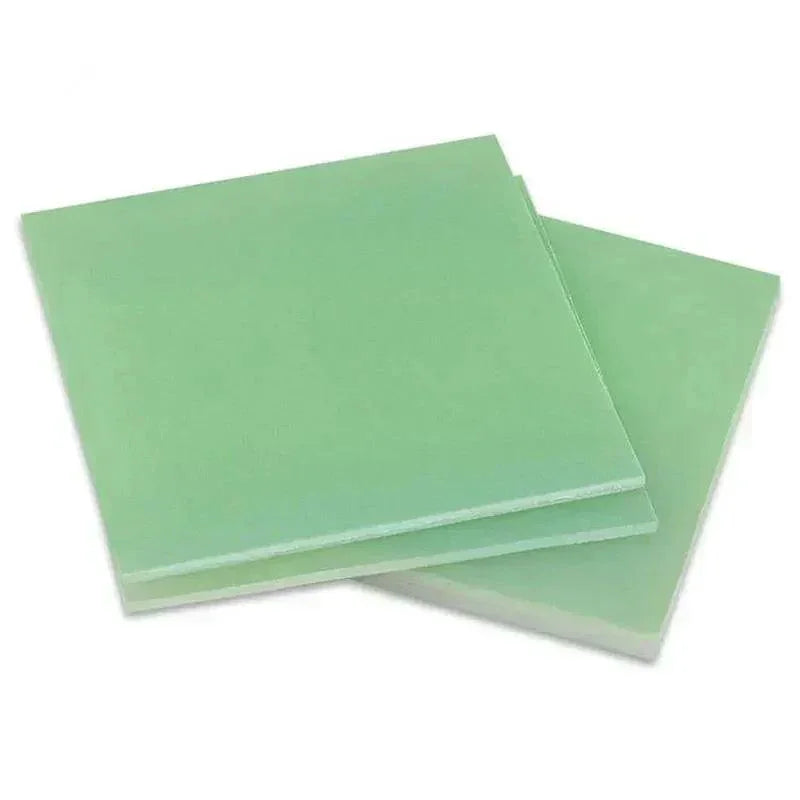
Light Green FR4 G10 Epoxy Sheets (0.5mm-50mm)
High mechanical strength and dielectric properties. Perfect for machining structural parts and insulation components.
Shop NowWhy Industries Prefer Epoxy

Key Factors Affecting Epoxy Machinability
Material Composition
The machinability of epoxy is significantly influenced by its composition. Epoxy reinforced with fillers like glass fibers or carbon increases strength but can challenge machining. For instance:
- Glass-Filled Epoxy: Requires diamond-coated tools to prevent excessive tool wear and ensure a smooth finish, even in high-stress applications.
- Unfilled Epoxy: Easier to machine and suitable for less demanding environments, but it lacks the enhanced durability of its reinforced counterparts.
Understanding the material composition allows machinists to select appropriate tools and techniques to ensure quality results while minimizing wear and tear.
Thermal Management
Heat generation during machining can distort epoxy, leading to inaccurate dimensions and poor surface quality. Employing effective thermal management strategies, such as:
- Cooling Systems: Liquid or air cooling reduces heat buildup, ensuring smoother cuts and preserving the material’s properties.
- Lower Cutting Speeds: Reduces friction, minimizing thermal expansion and deformation, which can otherwise compromise the integrity of the final product.
Tool Selection
Choosing the right tools is critical for machining epoxy. Recommended tools include:
- Carbide Tools: Durable and capable of handling moderate reinforcement levels, making them ideal for small to medium-scale projects.
- Diamond-Coated Tools: Ideal for highly reinforced epoxy, offering excellent wear resistance and precision, even in the most demanding applications.

Custom CNC Machining Services
We specialize in machining FR4, G10, and other abrasive plastics. High precision, no MOQ.
Get a QuoteDust Control
Machining epoxy produces fine dust that poses health risks and can affect workplace safety. Implementing proper dust extraction systems and using PPE such as masks, goggles, and gloves ensures a safer environment for workers and minimizes potential health hazards.
Best Practices for Machining Epoxy
Optimize Cutting Parameters
Adjusting cutting parameters to suit epoxy’s characteristics is essential. For example:
- Lower Feed Rates: Prevents chipping and ensures a finer surface finish, particularly for reinforced epoxy.
- Shallow Cuts: Reduces stress on the material, avoiding cracking or splintering that could impact product quality.
Maintain Tool Sharpness
Dull tools can lead to excessive friction and poor-quality cuts. Regular inspection and replacement of tools are necessary to maintain machining quality, especially when working with reinforced epoxy that can cause rapid tool wear.
Use Advanced Cooling Techniques
Advanced cooling systems, such as mist cooling, can further improve surface finishes and prolong tool life by effectively dissipating heat. This approach is particularly beneficial in high-speed machining processes.
Ensure Workplace Safety
Epoxy dust can cause respiratory irritation and other health concerns. Equip workers with appropriate PPE, maintain well-ventilated workspaces, and use dust collection systems to mitigate risks, ensuring a safer and more compliant workplace.
Applications of Machined Epoxy in Industrial Processing
Electrical Insulation Components
Epoxy’s insulating properties make it indispensable for electrical components. Applications include:
- Circuit Boards: Provides a stable, non-conductive base for electronic circuits, ensuring long-term reliability in electronic systems.
- Switchgear Parts: Offers safety and durability in high-voltage environments, protecting equipment and operators alike.
- Transformers: Acts as a reliable insulating medium that resists heat and environmental degradation.
Molds and Tooling
Epoxy is widely used in mold-making due to its ability to replicate intricate details and withstand repeated use. For example:
- Injection Molds: Durable enough for high-pressure molding processes, ensuring consistent results over multiple cycles.
- Prototypes: Ideal for creating cost-effective, precise prototypes that meet industry standards without compromising on detail.
Chemical Processing Equipment
Epoxy’s chemical resistance makes it a preferred material for:
- Pipes and Tanks: Handles corrosive substances in chemical plants, ensuring operational efficiency and safety.
- Liners: Protects metal surfaces from chemical exposure, reducing maintenance costs and prolonging equipment life.
Custom Industrial Solutions
Industries like aerospace and automotive rely on epoxy for custom components, such as:
- Lightweight Brackets: Reduces weight without sacrificing strength, enhancing performance in high-stress environments.
- High-Precision Gears: Ensures longevity and performance in demanding applications, minimizing downtime and repair costs.
Advantages of Choosing Epoxy for Industrial Processing
- Cost-Effectiveness: Its durability reduces the frequency of replacements, lowering overall costs and enhancing profitability.
- Versatility: Suitable for a wide range of applications, from electronics to heavy machinery, thanks to its adaptable properties.
- Durability: Withstands harsh environments, including high temperatures and chemical exposure, ensuring long-term reliability.
- Precision: Supports intricate designs, ensuring high accuracy and consistent results across applications.
Unlock the Full Potential of Epoxy Machinability
Achieving optimal results with epoxy requires expertise. Partnering with experienced suppliers provides access to:
- Premium Materials: High-quality epoxy tailored to specific applications, ensuring optimal performance and reliability.
- Custom Machining Services: Precision-crafted components to meet unique industrial needs, offering flexibility and innovation.
- Technical Support: Guidance on selecting and machining the right epoxy materials, backed by industry expertise and best practices.
Take Your Industrial Processing to the Next Level
Machining epoxy offers endless possibilities for innovation in industrial processing. Its unparalleled precision, durability, and adaptability make it an invaluable material for various applications. Whether you require custom electrical components, robust tooling, or specialized industrial parts, epoxy delivers superior performance.

Are you ready to elevate your industrial processing? Explore our FR4/G10 epoxy glass fiber sheets for superior performance. Dive into our comprehensive collection and discover our manufacturing capabilities designed to meet diverse industrial needs.
Contact Us for Custom ProjectsFill out the contact form below to discuss your custom requirements!
Limited Time Offer Use code QR4GNY08SHVR
-
Posted in
CNC epoxy machining, custom machining solutions, epoxy applications, epoxy durability, epoxy industrial uses, epoxy mold-making, epoxy processing, industrial epoxy, Machining epoxy, precision manufacturing