A Beginner’s Guide to Bending ABS Plastic Sheets and Rods
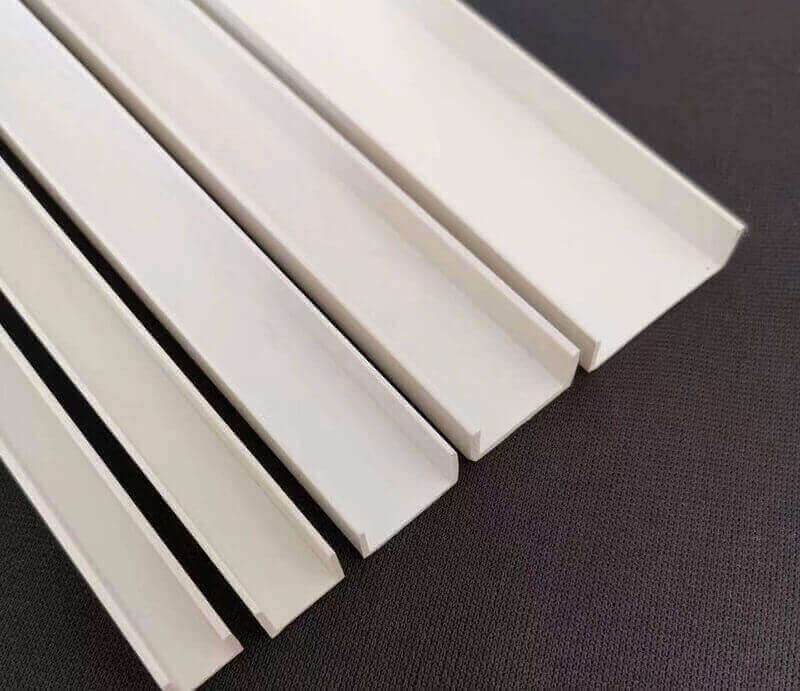
Welcome to my ultimate guide on bending ABS plastic! As a beginner trying to bend acrylonitrile butadiene styrene (ABS) for the first time, you may feel intimidated by the process of heating up plastic and getting it in the exact right shape without making any cracks.
That's why I've created this comprehensive guide that covers everything you need to know about being successful on your first ABS project while bending ABS plastic sheets, rods, sprinkler pipes and more. We'll go over the properties of ABS, the tools you'll need to heat bend the material properly, a step-by-step bending process, troubleshooting the most common issues, and so much more!
After reading this, you'll feel fully prepared to start annealed ABS plastic bending to create custom plastic parts for anything from household items to hobby projects. So let's get started!
Quick Reference Guide
| Ideal Temperature: | 325-375°F (160-190°C) |
| Working Time: | 60-90 seconds |
| Glass Transition: | 200-220°F (93-105°C) |
| Cooling Time: | 5+ minutes (air cool only) |

What is ABS Plastic?
ABS, or acrylonitrile butadiene styrene, is an extremely common thermoplastic used across countless industries. Some major features of ABS materials are:
- High impact strength - it's very durable and impact-resistant
- Rigidity and structural stability - it holds its shape well with minimal warping or deforming
- Thermoplastic properties - ABS can be heated and reshaped/rebent when needed
- UV radiation resistance - it experiences minimal degradation from sun exposure
- Excellent machinability - easy to cut, drill, and fabricate with standard tools
These characteristics make ABS an ideal choice for bending into custom shapes and parts to meet the exact needs of hobbyists and professional manufacturers alike.
Some examples of places you'll see bent ABS plastic used are:
- Sprinkler pipes and irrigation systems
- Model aircraft body panels and RC vehicle parts
- Machine housings and protective enclosures
- Car interior trim components and dashboard elements
- Custom handles, grips, and ergonomic fittings
- DIY home goods and furniture components
- Cosplay armor and prop making
And thousands more - if you can dream it up, you can likely bend ABS plastic to create it!
Now that you know what ABS is and why it's a prime candidate for bending, let's look at how to actually heat and shape it yourself.

Equipment You'll Need for Bending ABS Plastic
Bending ABS requires heating it up past its glass transition temperature which is around 200-220°F (93-105°C). Once it passes this point, you'll have a short window of time where the material softens substantially to allow shaping and bending.
To generate enough focused heat, you'll need:
Heat Source
Popular options are:
Strip Heater - Electrically heated bending strip that directs heat exactly where it's needed. Often used for precise line bending on sheets.
Heat Gun - Shoots a stream of very hot air to evenly and quickly heat the plastic. Offers good control over heating zones.
Oven - For bending larger ABS pieces, oven heating in an appliance dedicated to plastic treatment may be ideal. Provides even heating across large areas.
I recommend the strip heater or heat gun for beginners bending smaller ABS rods or sheets.

ABS Plastic Bending Equipment
Along with a heat source, having the proper plastic bending setup makes the process much easier and repeatable:
- Tube bender - For bending ABS pipe or tubing to specific angles
- Sheet bender - For precise bends along large ABS plastic sheets
- DIY bending jig - A custom wood or metal structure with forming pins to bend ABS to an exact angle
- Wood or aluminum molds - For shaping complex curves or multiple bends
- Temperature probe or pyrometer - For accurate temperature monitoring
Safety Equipment
Safety should always come first! Be sure to use:
- High-temp gloves for material handling (rated to at least 400°F)
- Eye protection like goggles/face shield
- Respirator mask to prevent breathing in fumes
- Flame-retardant clothing or shop apron
- Fire extinguisher readily accessible
⚠️ CRITICAL WARNING: Never try bending materials over the ABS plastic bending temperature rating or you could cause rapid decomposition rather than softening. ABS generally begins to rapidly decompose past 300°F which creates toxic fumes. Always work in a well-ventilated area.
Okay, you've got your essential ABS bending tools assembled - great! Now let's look at how to actually bend this popular plastic.

Step 1 - Prepare the ABS Plastic
To start, you'll of course need some ABS plastic rods, tubes, or sheets to work with. Common sizes are:
- Rods - Diameters ranging from 1/8 inch (3mm) to over 2 inches (50mm)
- Sheets - From 1/32 inch (0.8mm) thin sheets up to 1 inch (25mm) thick slabs
- Pipes/tubing - Inside diameters starting around 1/4 inch (6mm) all the way up to several inches
Once you have your material, you first want to anneal the ABS plastic which helps relieve internal stresses and prevents cracking during bending. The easiest way to do this at home is to follow this process:
Annealing Process
- Pre-heat oven to 250°F (120°C)
- Place ABS plastic rod/sheet/tube in the oven for 60 minutes
- Turn off oven but DO NOT open door - allow slow cooling
- Remove annealed ABS plastic after 3 hours+ cool down
The plastic is now optimized for bending! For bending rods and tubes, also cut your stock to size allowing several extra inches on each side to hold in the bending form/jig.
Sharpening blades and using proper shears will give cleanest cuts. Take your time to prep properly for best results.
Step 2 - Set up the Plastic Bending Area
You'll need an open workspace where you can freely bend heated plastic without risk of accidentally contacting other flammable materials. Cover work surfaces with aluminium foil or other protective layer.
Position your bending abs plastic tools like a tube bender, sheet bender, or DIY wooden/metal forming jig to be easily accessible. Ensure your heat source is also nearby - I recommend a portable strip heater and heat gun setup which enables targeted heat on multiple bend zones.
For repeatable results, build or buy bending forms like 90 degree aluminum jigs that enable accurate and consistent angles. Having robust framework prevents springback which can warp delicate bends.
Step 3 - Heat the ABS Plastic
Here comes the critical heating stage where proper temperature is absolutely vital to later form a perfect bend without fracturing the ABS.
Ideal Bending Temperature Range: 325-375°F (160-190°C)
Target the lower end for annealed plastics or basic bends, while very complex shapes may need full 375°F heat.
Set your oven, strip heater, heat gun or other heat source to steadily raise the ABS to the target zone. Take notes each test run regarding:
- Time required to fully heat to temperature
- If any sections seem to lag behind others in heating
- Visual signs of softening (material becomes slightly glossy)
- Any color changes (indicates overheating - reduce temperature)
It often takes 3-5 minutes of direct heat exposure to soak a rod/tube to its center. Use a thermometer probe or specialty plastic pyrometer if possible to accurately benchmark temps.
Heat small zones at a time as you progress to avoid drooping. Molten plastic awaits!

Step 4 - Bend and Cool the ABS Plastic
As soon as your ABS section reaches optimal malleable bending temperature, remove it from the heat source and swiftly make your bend using guides/forms to achieve the perfect angle.
Common bent angles for various ABS projects are:
- 90 degree bends - Perpendicular connections for handles, brackets, frames
- Diagonal angles - Dynamic shapes for art sculptures or cosplay props
- Gradual curves - Ergonomic grips, custom car interiors, architectural elements
⚠️ CRITICAL TIMING: The exact window of prime "formability" is only 60-90 seconds before ABS plastic will start to harden again. So have your mold ready and make it snappy!
After shaping, ABS needs proper cooling to retain its new bent form. Avoid quenching hot plastic in water! The thermal shock leads to cracking. Use air cooling instead:
- 5+ minutes cooling time
- Suspend part so air flows all around
- Some gentle fanning can help
- Allow to cool completely to room temperature before handling
Repeat bending sequential zones down the length of rods or tubes. Take notes on any tweak needed to perfect the process.
Step 5 - Repeat as Needed
To fabricate more complex components like handles, housings, ornate frames or cosplay armor, you'll need to repeat the strategic heating and bending process in stages.
Mark measured zones along the raw materials where bends should be located using tape, grease pencil or other non-permanent methods.
Execute your bends incrementally, allowing proper cooling time before next steps. Having a master diagram or computer model helps envision the end goal.
Be patient, take good notes, and don't be afraid to re-heat and attempt a bend again if something goes awry. ABS is very forgiving plastic to learn with!
In time you'll be amazed at the intricate shapes and plastic art you can create by methodically bending abs plastic rods, sheets and tubing to your custom needs.
Common Bending Issues and Troubleshooting
Of course no process is without the occasional hiccup! Review some of the most frequent beginner issues when heat bending abs plastic here:
Problem: Cracking Sounds or Fractures
This depressing result indicates the ABS experienced highly uneven stresses either during heating, shaping, or cooling. Step back through those stages to find the flaw:
- Did you allow enough heat soak time for even temperature?
- Was quenching too severe creating internal tension?
- Any extremely acute angles attempted?
- Was the material properly annealed before bending?
Problem: Webbing or Thinning Around the Bend
Overheating and stretching ABS past its formable limits results in unsightly webs or weak spots at the inside/outside of bends. Revisit recommended temperature guidelines.
Solution: Reduce heating time, work within the 325-375°F range, and use appropriate bend radius for your material thickness.
Problem: Warping or Distorting
If final bend angles skew over time or the workpiece seems to slowly distort, residual stresses are present. Ensure you fully anneal base material and allow gradual cooling anytime the ABS is heated.
Solution: Always anneal before bending, use even heating across the entire bend zone, and allow slow air cooling without forced ventilation initially.
Problem: Bend Angle Inconsistency
Frustrating variances in replicated bends mean your guiding forms/jigs lack sufficient accuracy or clamping strength. Invest in quality equipment and robust framework to achieve precision project after project.
Solution: Use metal jigs with positive stops, maintain consistent temperature and timing, or consider professional bending services for production runs.
With attention to the right temperature thresholds, heating tools, and bending equipment - achieving smooth, strong, accurately shaped custom ABS creations is very attainable! Don't be discouraged by initial failed attempts. Bending thermoplastics has a learning curve. Read up on as much theory around the chemical properties of ABS to understand why and how it behaves when heated/cooled.
Enjoy the process and be proud of each small win with every successfully bent ABS part you complete!
Summary
Mastering bending ABS only requires adherence to some key principles we've covered here:
- Properly anneal stock material - Use a slow oven treatment to relieve internal stresses
- Invest in quality bending tools - Heaters, jigs, forms, gloves and safety gear
- Dial in ideal heat levels - Target 325-375°F to hit that precise molten yet formable state
- Work swiftly within the bendable window - You only have 60-90 seconds!
- Allow gradual cooling - No shocking temperature shifts which risk cracks
- Take notes and test..test..test! - Your settings WILL need tweaking
Armed with the right scientific background, tools and patience through a potentially messy learning period; smoothly bending ABS plastic at will IS possible for even the newest hobbyists and students of manufacturing.
I wish you great success with all your custom abs plastic bending projects! Let me know if any other questions come up.

Recommended ABS Products for Bending Projects
Related Custom Fabrication Services
Plastic Bending Services
Professional heat bending, line bending, and thermoforming for multiple plastic types
Learn More →CNC Machining
Precision CNC milling, turning, and routing with ±0.03mm tolerance for ABS parts
Learn More →ABS Custom Fabrication
Complete ABS fabrication solutions from design to finished product
Learn More →Frequently Asked Questions
What is the ideal temperature for bending ABS plastic?
The ideal bending temperature for ABS plastic is between 325-375°F (160-190°C). Start at the lower end (325°F) for simple bends and annealed material. For complex shapes requiring maximum pliability, you can go up to 375°F. Never exceed 300°F maximum safe temperature to avoid decomposition.
How long does it take to heat ABS plastic for bending?
It typically takes 3-5 minutes of direct heat exposure to fully heat ABS material through to its center, depending on thickness. Thicker materials require proportionally longer heating times. Use a temperature probe for accurate monitoring.
Why does my ABS plastic crack when I bend it?
Cracking typically occurs due to: (1) Insufficient heating causing uneven temperature distribution, (2) Attempting too acute of a bend angle, (3) Thermal shock from water quenching, or (4) Not annealing the material before bending. Always anneal ABS, heat evenly, use gradual cooling, and avoid extreme bend angles.
Can I re-bend ABS plastic if I make a mistake?
Yes! One of the advantages of thermoplastics like ABS is that they can be reheated and reshaped multiple times. However, repeated heating can potentially degrade material properties slightly. It's best to get it right the first time, but don't be afraid to try again if needed.
Do you offer custom ABS bending services?
Yes! Our professional fabrication workshop offers precision ABS bending services with tolerances down to ±0.03mm. We accept technical drawings or simple sketches, work with no minimum order quantities, and ship internationally. Contact us for a free quote.
What safety equipment do I need for bending ABS?
Essential safety equipment includes: (1) High-temperature gloves rated to at least 400°F, (2) Safety goggles or face shield, (3) Respirator mask to prevent fume inhalation, and (4) Fire-retardant clothing or apron. Always work in a well-ventilated area and keep a fire extinguisher accessible.
If you are interested in using ABS Plastic in your project or want to know more information, welcome to contact us. We are a professional supplier and manufacturer of all kinds of plastic custom processing and production, with a professional team of engineers and precision equipment, we can provide you with customized plastic solutions that meet your specifications and budget.
We are happy to serve you and help you fulfill your needs. Do you need a free quote or help with any questions or materials?
BeePlastic.com — Professional Plastic Solutions Provider
✓ No Minimum Order Quantity | ✓ Free Shipping Available | ✓ International Delivery
Contact: Custom ABS Plastic Services
-
Posted in
ABS Heat Forming, ABS plastic, ABS Plastic Forming, ABS Rod Projects, beginner's guide, bending, Bending ABS Rods, Bending ABS Sheets, Custom ABS Parts, DIY Plastic Bending, Plastic Sheet Bending Guide, rods, sheets, Thermoforming ABS