How to Process POM: Methods and Challenges
Polyoxymethylene (POM) custom processing, also known as acetal, polyacetal, or polyformaldehyde, is a high-performance engineering thermoplastic that is widely used in various industries and applications. It has excellent properties such as high stiffness, low friction, good dimensional stability, and resistance to wear, fatigue, and chemicals. POM can be classified into two types: homopolymer and copolymer, which have slightly different characteristics and performance.
🎉 Limited Time Offer!
Ready to order? Use code: QR4GNY08SHVR at checkout.
👉 Shop POM Materials Now
However, processing POM is not without challenges. POM is sensitive to heat and moisture, which can affect its quality and durability. It also has a tendency to shrink and warp during cooling, which can cause dimensional inaccuracies and defects. Therefore, choosing the right processing method and avoiding the common pitfalls of POM is crucial for achieving optimal results.
In this article, we will discuss the common processing methods and challenges of POM, and provide some tips and recommendations on how to process POM effectively and efficiently.
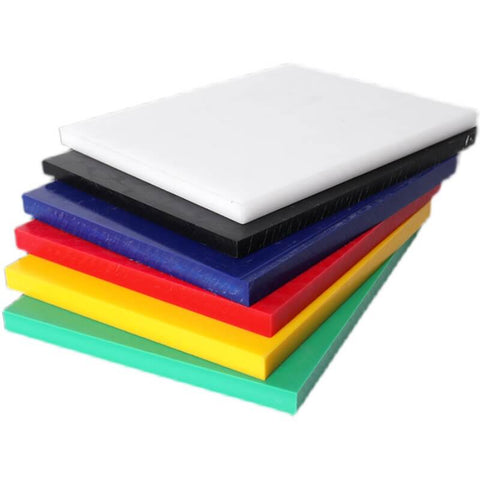
Processing Methods
POM can be processed by various methods, depending on the desired shape, size, and function of the final product. Some of the most common processing methods for POM are:

Featured High-Performance Materials
Processing Challenges

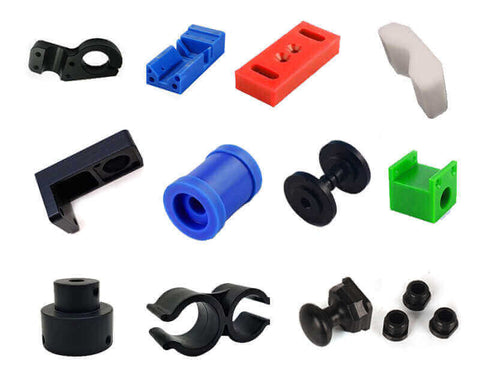
Tips and Recommendations
To overcome the challenges and difficulties of processing POM here are some tips and recommendations that can help improve the quality and performance of POM parts:
- Use appropriate processing parameters such as temperature pressure speed time etc. according to the type and grade of POM and the processing method. Follow the manufacturer’s guidelines and recommendations for processing POM.
- Use proper mold design and material selection to avoid sticking warping or cracking of POM parts. Use mold release agents or coatings if necessary.
- Use proper die design and material selection to avoid die swell melt fracture or degradation of POM parts. Use lubricants or additives if necessary.
- Use proper cutting tools and techniques to avoid chipping cracking or melting of POM parts. Use coolants or lubricants if necessary.
- Use proper post-processing treatments such as annealing quenching tempering or coating to improve the dimensional stability mechanical strength or surface finish of POM parts.
- Use proper testing methods and equipment to evaluate the quality and performance of POM parts. Follow the industry standards and specifications for testing POM.
POM is a high-performance engineering thermoplastic that can be processed by various methods to produce parts with excellent properties and applications. However, processing POM also involves some challenges and difficulties that need to be addressed and overcome. By following the tips and recommendations provided in this article, you can process POM effectively and efficiently and achieve optimal results.
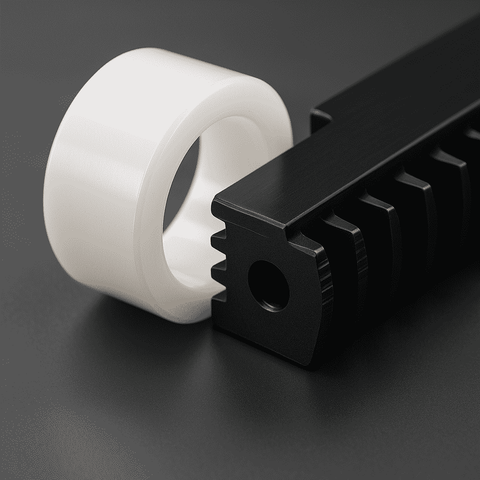
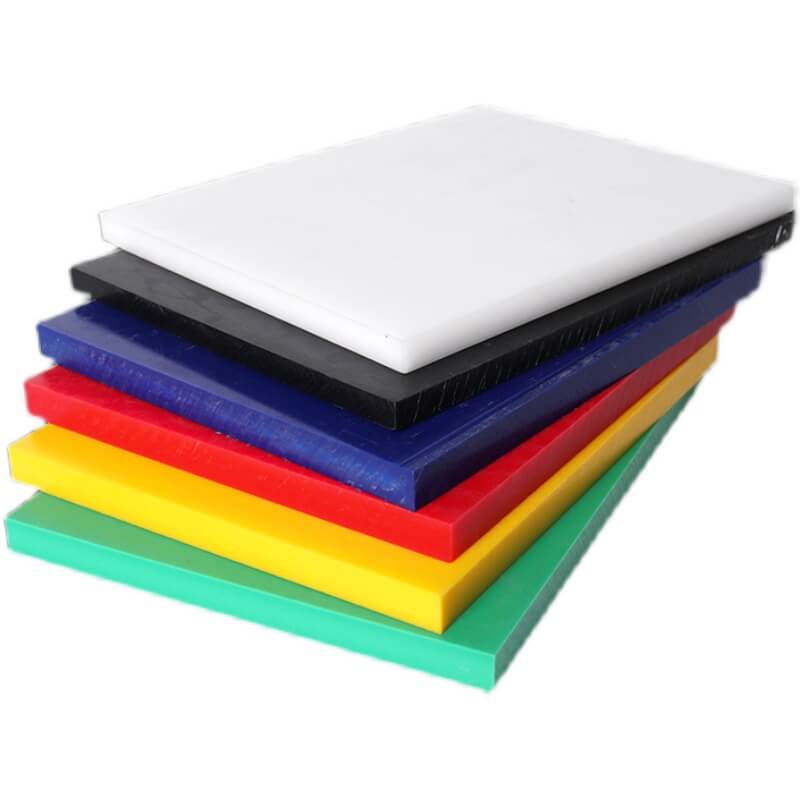
Among POM boards and rods, it is an interesting and creative material, and its special shape can be used in many parts items of various mechanical equipment. They have unique properties and benefits to add some sparkle and elegance to your mechanical equipment, storage shelving components or architectural accessories and more.
I hope this blog post has inspired you to try some of these ideas or come up with your own. If you do, please share your results with me in the comments below. I'd love to see where you utilize POM board/stick applications!
If you are interested in using POM boards/sticks for your projects or would like more information, feel free to contact us. We are a supplier specializing in custom processing and production of various plastic materials, with a professional engineer team and precision equipment, we are happy to assist you and help you meet your needs. Do you need a free quote or help with any questions or materials?

Ready to Start Your Project?
From custom CNC machining to standard plastic sheets and rods, BeePlastic provides one-stop solutions for your engineering needs.
Professional Plastic Solutions | Worldwide Shipping
-
Posted in
extruding POM, injection molding POM, machining POM, POM molding challenges, POM plastic, POM processing, POM troubleshooting