The Advantages of ABS Plastic for Auto Manufacturing
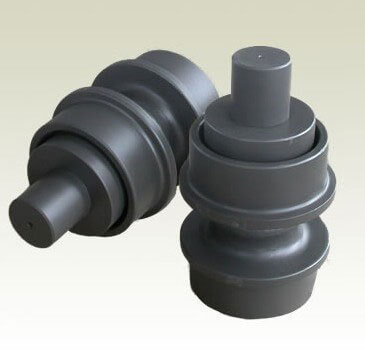
ABS (Acrylonitrile Butadiene Styrene) plastic has become a top choice for many automotive components and parts. This versatile thermoplastic polymer offers an excellent balance of properties that make it well-suited for use in vehicles. In this article, we’ll examine the benefits of ABS for auto manufacturing and why it has emerged as a leading material for car makers in the United States and worldwide.
🎉 Limited Time Offer: Use code QR4GNY08SHVR at checkout and enjoy a special discount on your entire order!
👉 Shop ABS Plastic Materials
What is ABS Plastic?

Why Use ABS Plastic for Auto Parts?
There are several key properties that make ABS ideal for many automotive applications:
- Impact Resistance – ABS absorbs shocks and crashes well, making it perfect for bumpers, body panels, and interior trim parts. The butadiene rubber component gives ABS toughness and flexibility on impact. This ability to withstand accidents helps protect passengers and the rest of the vehicle.
- Strength and Durability – In addition to withstanding impacts, ABS has high tensile strength and hardness for long-lasting components. It stands up well to chemicals and environmental conditions like temperature swings, road grime, and UV exposure. Parts keep their shape and structural integrity.
- Lightweight – ABS is much lighter than metals like steel traditionally used in car bodies and frames. This helps to substantially cut weight and improve fuel efficiency and performance. Being up to 10% lighter than metal alternatives is a major advantage.
- Heat Resistance – While not for engine parts, ABS can withstand temperatures up to 180°F, sufficient for under-hood components. This is a key reason ABS is popular for custom engine bay dress-up and covers.
- Easy to Manufacture – ABS can be injection molded into complex shapes that would be difficult or impossible with other plastics or metals. This allows great flexibility in aesthetic designs. It also enables consolidation of multiple parts into single components.
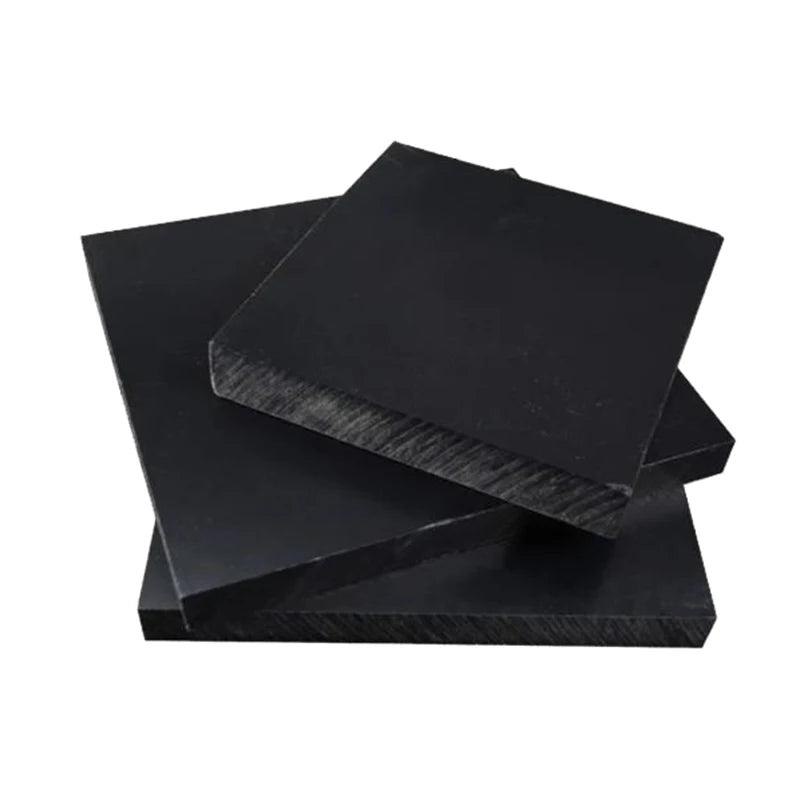

ABS Plastic vs. Other Polymers for Auto Parts
Compared to other plastics used in vehicle manufacturing, ABS offers some advantages:
| Comparison Factor | ABS Plastic Performance |
|---|---|
| Impact Strength | Higher strength than Polypropylene (PP), making it better for bumpers and trim. |
| Cost | More economical than Nylon, Acetal, and Polycarbonate (which can cost 2-3x more). |
| Temperature Resilience | Not as brittle as Acrylic and Polystyrene in cold temperatures (crucial for cold climates). |
| Weight | Lighter than glass-filled nylon. |
For automakers, ABS hits a sweet spot between performance, cost, and manufacturability. It’s easy to see why it is prevalent.
Specific Applications of ABS in Vehicles

Manufacturing Process of ABS Parts
The vast majority of ABS components in vehicles are injection molded. Some advantages of this process include:
- Ability to mold complex and detailed shapes not possible with steel or other materials. This allows freedom of design.
- Consistent quality and dimensional precision from mass production. Modern manufacturing ensures tight tolerances.
- Automated manufacturing drives down per part costs. ABS is cheaper to produce than machining metal.
- Minimal secondary finishing required compared to other processes. Parts come out ready for assembly.
- Tooling costs are lower for ABS injection molding versus metal stamping. This makes ABS ideal for moderate production runs.
Injection molding enables efficient, high-volume production of ABS parts to meet automakers' demands. It's the go-to manufacturing technique for quality ABS components.

Need Custom ABS Parts?
We specialize in CNC plastic machining and production. With no minimum order quantity, our professional engineering team delivers solutions that match your exact specs.
Request a Free QuoteExplore our CNC Services
The Future of ABS in Automotive Design
As cars continue evolving, especially with electrification, plastics like ABS will take on an even greater role. Some trends include:
- Lightweighting – New fuel economy standards will drive increased use of plastics to replace metals. This can reduce vehicle weight by 10% or more. Lighter cars boost range and performance.
- Customization – ABS lends itself to mass customization through innovative manufacturing techniques. Parts can be personalized for individual models.
- Reinforced composites – Adding reinforcements like glass fiber to ABS creates hybrid materials with even greater mechanical properties. This improves capabilities.
- 3D printing – Additive manufacturing opens new possibilities for low volume production of customized ABS parts. The aftermarket, in particular, can benefit from 3D printed ABS components.

Your Custom Plastic Partner
If you are interested in using ABS plastic in your project or want to know more information, welcome to contact us (whether for questions or orders). We are a professional supplier and manufacturer of all kinds of plastic custom processing and production. With a professional team of engineers and precision equipment, we can provide you with customized plastic solutions that meet your specifications and budget.
Do you need a free quote or help with any questions or materials?
Our website: www.BeePlastic.com
Quick Reference: Custom ABS plastic | Machining Services
-
Posted in
ABS plastic, ABS Rods, ABS sheets, automotive industry, CNC machining, Custom Auto Parts, Cut to Size Plastic, engineering plastics, Injection Molding, Plastic Machining Services