Is PP Board Safe and Can It Come into Contact with Food? A Guide to Polypropylene Plastic
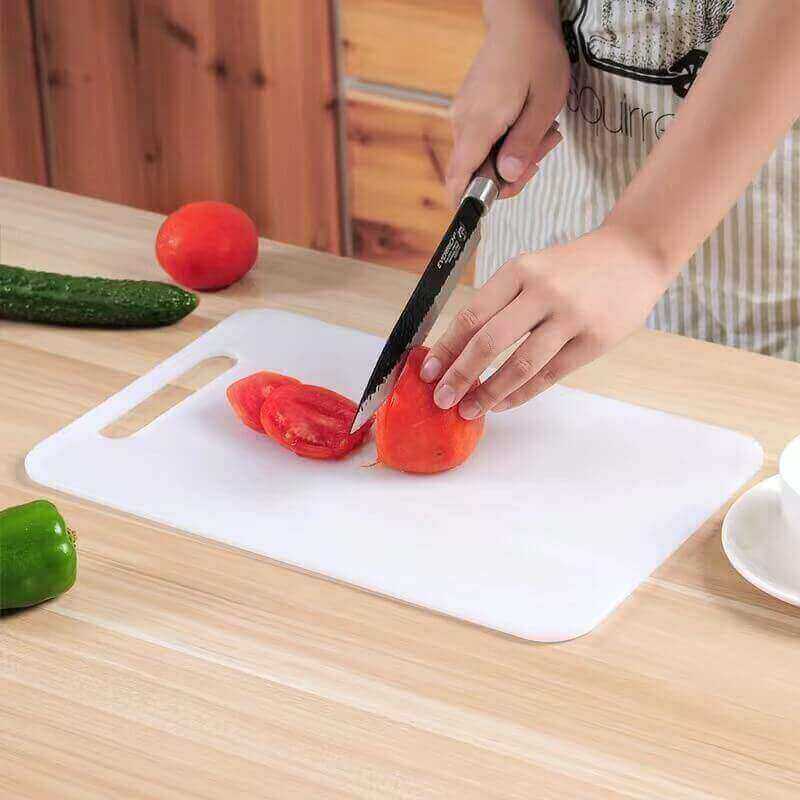
If you have ever used a yogurt container, a microwaveable meal tray, or a cutting board, chances are you have encountered PP board. PP board, also known as polypropylene board or polypropylene plastic, is a versatile and durable material that has many applications in various industries, especially food-related ones. But is PP board safe and can it come into contact with food? In this comprehensive guide, we will explore the properties, benefits, and potential risks of PP board for food contact applications.

Quick Answer: Is PP Board Food Safe?
Yes, polypropylene (PP) board is FDA-compliant and EPA-approved for food contact. It is non-toxic, BPA-free, and resistant to chemicals and moisture. PP board is widely used in food packaging, cutting boards, food trays, and kitchen utensils due to its safety profile and durability.
What is PP Board and What is it Made Of?
PP board is a type of plastic that is made of polypropylene resin. Polypropylene is a thermoplastic polymer that is derived from petroleum through polymerization of propylene monomers. It can be molded into different shapes and colors by using heat and pressure.
PP board is typically a co-extruded product that consists of three layers: a central thermoformed core and two flat, compact external skins. The external skins are smooth and corona-treated to provide outstanding printing performance, making it ideal for food packaging labels and branded food containers.

Why is PP Board Suitable for Food Contact?
Polypropylene (PP) board has several properties that make it ideal for food contact applications:
Key Safety Properties of Food-Grade PP Board:
- Moisture and Chemical Resistance: PP board does not absorb water or react with most acids, bases, solvents, or detergents. This means it can prevent moisture loss or gain in food products and protect them from contamination or spoilage.
- Non-Toxic and Hypoallergenic: PP board does not contain harmful chemicals such as bisphenol A (BPA), phthalates, or dioxins. It is also unlikely to cause allergic reactions or irritations in humans or animals, making it safe for direct food contact.
- High Melting Point and Low Flammability: PP board can withstand temperatures up to 160°C (320°F) without deforming or releasing toxic gases. It is also resistant to ignition and does not support combustion, ensuring safety in food processing environments.
- Recyclable and Eco-Friendly: PP board can be easily recycled into new products or energy. It is also lightweight and durable, which reduces the amount of material and energy needed for production and transportation.

🟧 Need Food-Grade PP Boards for Your Kitchen or Factory?
Our polypropylene sheets are FDA-compliant, non-toxic, and ideal for food contact applications like cutting boards, prep tables, and packaging surfaces.
✔ Food Safe Certified | 📏 Multiple Sizes Available | 🚚 Free Standard Shipping
How is PP Board Used for Food-Related Applications?
PP board has many uses for food-related purposes across both commercial and residential settings:
🍱 Food Trays and Containers
PP board can be used to make disposable or reusable trays and containers for various types of food, such as meat, cheese, fruits, vegetables, snacks, and desserts. PP board can also be used to make lids, dividers, inserts, or labels for these trays and containers.
🔪 Cutting Boards and Utensils
PP board can be used to make cutting boards and utensils that are hygienic, easy to clean, and resistant to scratches, stains, odors, or bacteria. PP board can also be used to make other kitchenware such as bowls, cups, and plates.
🥤 Disposable Plates and Cups
PP board can be used to make disposable plates and cups that are sturdy, lightweight, and microwaveable. PP board can also be used to make straws, stirrers, forks, spoons, and knives for food service applications.
🏷️ Food Labels and Tags
PP board can be used to make food labels and tags that are waterproof, tear-resistant, and printable. PP board can also be used to make barcodes, QR codes, and RFID tags for food tracking and inventory management.


Featured Food-Grade PP Products
What are the Potential Concerns of Using PP Board for Food Contact?
PP board is generally considered safe for food contact by the Environmental Protection Agency (EPA) and the Food and Drug Administration (FDA). However, some potential concerns or drawbacks of using PP board for food contact include:
Important Considerations:
- Possible Leaching of Additives or Contaminants: Although PP board does not contain BPA or phthalates, it may contain other additives or contaminants that could leach into food under certain conditions such as high temperature or acidity. For example, some studies have found that BPA-free plastics such as polypropylene could release bisphenol S (BPS) or bisphenol F (BPF), which may have similar effects as BPA on human health.
- Limited Biodegradability and Compostability: Although PP board can be recycled into new products or energy, it cannot be biodegraded or composted in natural environments. This means that if PP board is not properly disposed of, it could end up in landfills or oceans, where it could take hundreds of years to break down or harm wildlife.
- Potential Environmental Impact of Plastic Waste: PP board is part of the global plastic problem that contributes to climate change, pollution, and resource depletion. According to a 2017 study, only 9% of all the plastic waste ever created has been recycled, while the rest has been incinerated, dumped, or accumulated in the environment.

How to Choose and Use PP Board for Food Contact Safely and Responsibly
PP board is a safe and convenient material for food contact, but it should be used with caution and care. Here are some tips and recommendations for choosing and using PP board for food contact safely and responsibly:
Best Practices for Food-Safe PP Usage:
- Check the Quality and Certification of PP Board Products: Look for PP board products that are made of high-quality polypropylene resin and have passed the safety standards and tests of reputable organizations such as the FDA, the EPA, or the NSF. Avoid PP board products that are cheap, low-quality, or counterfeit.
- Avoid High Temperatures and Abrasive Cleaning Methods: Do not use PP board products for cooking or baking, as they could melt or release harmful substances. Do not use PP board products in the dishwasher, as they could warp or crack. Do not use harsh or abrasive cleaners or scrubbers on PP board products, as they could damage or scratch them.
- Reuse or Recycle PP Board Products Whenever Possible: Do not throw away PP board products after one use, as they could end up in landfills or oceans. Instead, reuse them as much as possible for the same or different purposes. If you cannot reuse them, recycle them properly according to your local recycling guidelines. If you cannot recycle them, dispose of them responsibly in a trash bin.
🛠 Need Custom PP Components for Food Contact Applications?
We offer precision CNC machining, cutting, and thermoforming for food-grade polypropylene sheets—perfect for custom trays, enclosures, or hygiene-sensitive components.
📩 Upload your design or share your idea. Our engineers will assist with specs, tolerances, and materials.
🎯 Safe for direct food contact | Moisture + chemical resistant | Fast lead times
Frequently Asked Questions About PP Board Food Safety
Is PP plastic FDA approved for food contact?
Yes, polypropylene (PP) is FDA approved and compliant for food contact applications. PP is designated as Resin Identification Code 5 and is considered safe for both single-use and reusable food storage containers.
Can PP board be used in the microwave?
PP board can withstand temperatures up to 160°C (320°F), making it suitable for microwave use. However, it should not be used for cooking or baking as extended exposure to high heat may cause deformation.
Does PP board contain BPA or other harmful chemicals?
No, PP board does not contain BPA, phthalates, or dioxins. However, some additives may be present depending on the manufacturing process. Always choose certified food-grade PP products from reputable suppliers.
How should I clean PP cutting boards and food containers?
Clean PP board products with mild soap and warm water. Avoid harsh chemicals, abrasive scrubbers, or dishwashers as these may damage the surface or cause warping. Air dry thoroughly after washing.
Is PP plastic environmentally friendly and recyclable?
PP plastic is recyclable (Recycling Code 5) and can be processed into new products. While it is not biodegradable, responsible recycling and reuse can minimize environmental impact. Check with your local recycling facility for proper disposal guidelines.
Conclusion: PP Board is Safe for Food Contact When Used Properly
PP board is a safe and versatile material that can come into contact with food. It has many properties and benefits that make it suitable for food-related purposes, such as moisture and chemical resistance, non-toxicity and hypoallergenicity, high melting point and low flammability, and recyclability and eco-friendliness.
However, PP board also has some potential concerns and drawbacks that should be considered, such as possible leaching of additives or contaminants, limited biodegradability and compostability, and potential environmental impact of plastic waste. Therefore, PP board should be chosen and used carefully and responsibly for food contact.
By following some simple tips and recommendations, you can enjoy the convenience and functionality of PP board without compromising your health or the environment.

Ready to Get Started with Food-Grade PP Products?
If you are interested in using Polypropylene (PP) products or would like more information, please do not hesitate to contact us. We would be happy to help you with your needs. Do you need a free quote or help with any questions or materials?
✔ No Minimum Order Quantity | 🚚 Free Standard Shipping | ⚡ Expedited Shipping Available | 🌍 Serving International Markets
About BeePlastic Custom Plastic Solutions
BeePlastic specializes in custom plastic fabrication and standard material sales with over 15 years of industry experience. We offer precision CNC machining (±0.03mm tolerance), laser cutting, plastic welding, and more. Serving customers in European, American, and Australian markets with no minimum order requirements and free standard shipping to select regions.
-
Posted in
BeePlastic, FDA approved plastic, food grade plastic, food packaging, food safe plastic, kitchen plastic materials, plastic for food industry, plastic recycling, plastic safety, polypropylene board, polypropylene plastic, PP board, PP food contact, PP plastic, PP sheet uses